
Perfect Marbled Rye Bread with Fresh Milled Flour
This post may contain affiliate links. Please read our Disclosure Policy.
Discovering the magic of fresh milled flour in baking can truly change the way you experience bread. This marbled rye bread recipe is a perfect example of that enchanting effect—where earthy rye swirls meet the wholesome texture of fresh milled flour. Picture the warm, inviting aroma filling your kitchen, and the delightful contrast of light and dark dough woven together in each slice. Whether you’re a seasoned baker or someone who’s simply curious, this beautiful bread offers a rewarding project that’s as satisfying as it is delicious.
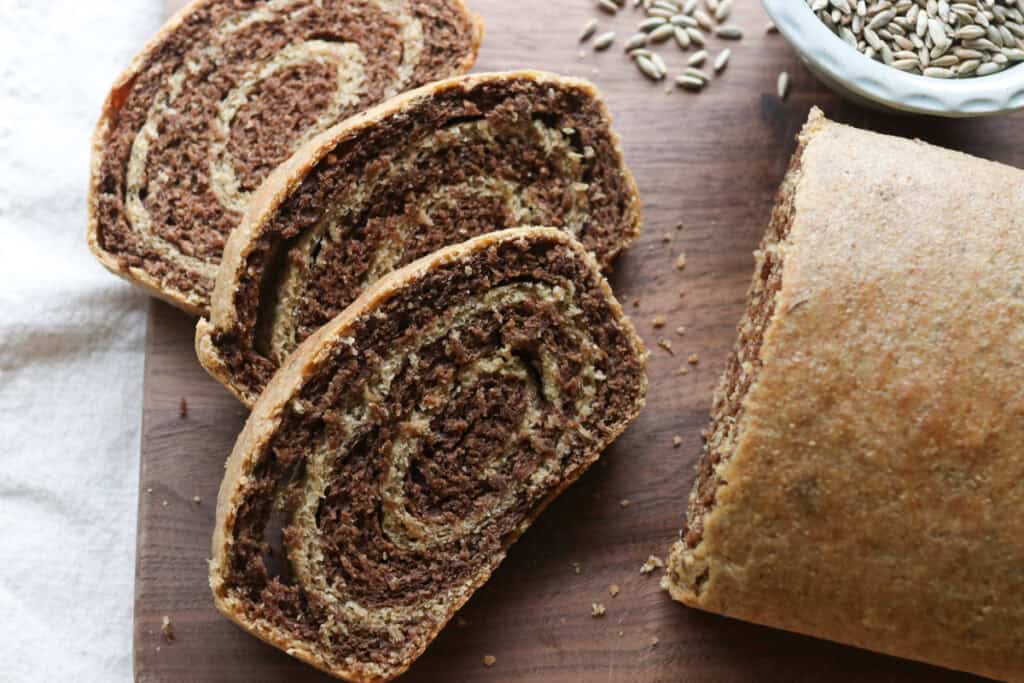
What Makes This Recipe Great
Fresh milled flour elevates the flavor.
By milling the flour fresh before baking, you get a nutty, earthy flavor that packaged flour just can’t match. It adds a wonderful depth and authenticity to the bread that feels truly homemade.
The beautiful marbled effect.
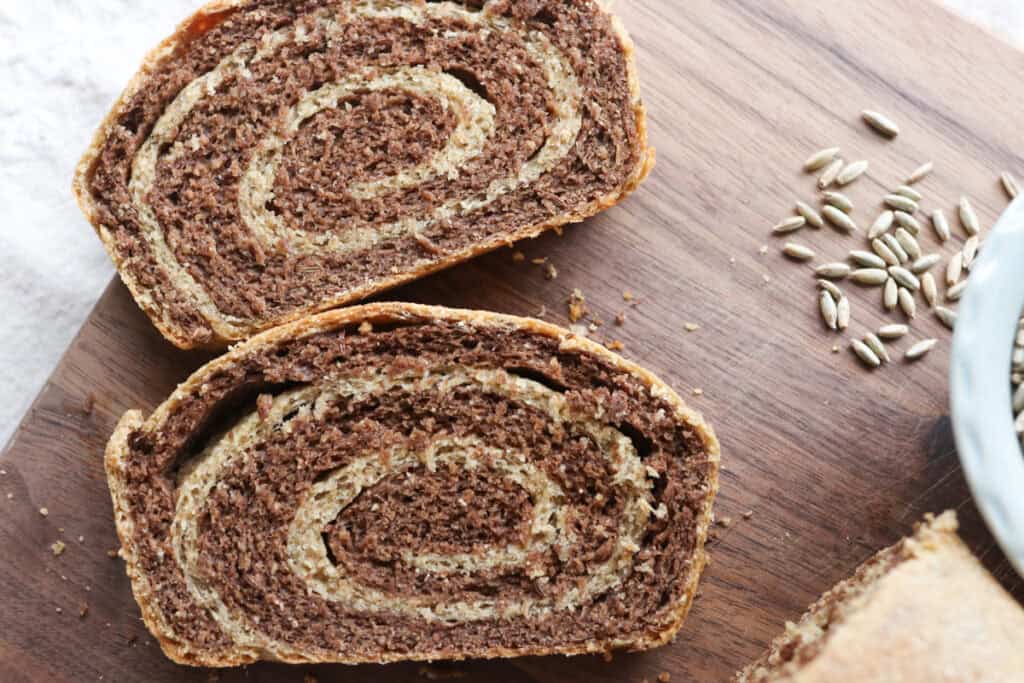
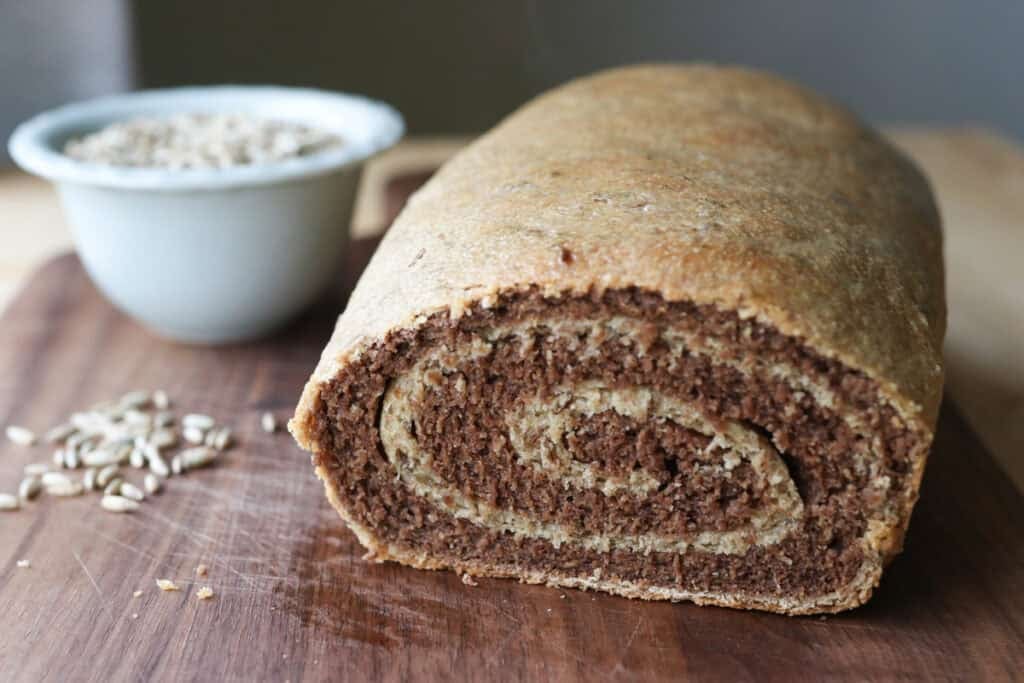
The swirl of rye and white dough not only looks impressive but also creates a lovely mix of textures and flavors in every bite.
A recipe rooted in tradition yet approachable.
While marbled rye might sound fancy, this recipe breaks it down into simple steps anyone can follow. Plus, there’s something comforting about baking bread from scratch that connects you to a timeless kitchen ritual.
For more freshly milled breads, try this Challah Bread or these Flaky Croissants!
Overview of Ingredients
Fresh Milled Flour
Using freshly milled flour is key to this recipe’s unique flavor and texture. If you don’t have a grain mill, good quality whole wheat flour or bread flour can work as substitutes, though the flavor won’t be quite as vibrant.
Rye Flour
Rye gives this delicious loaf its signature taste and color.
Yeast
Instant yeast is what helps the dough rise and develop its airy texture.
Molasses
Molasses adds a subtle sweetness and enhances the bread’s brown crumb color. If you don’t have molasses, dark honey or maple syrup can be a good substitute, though the flavor profile will shift a bit.
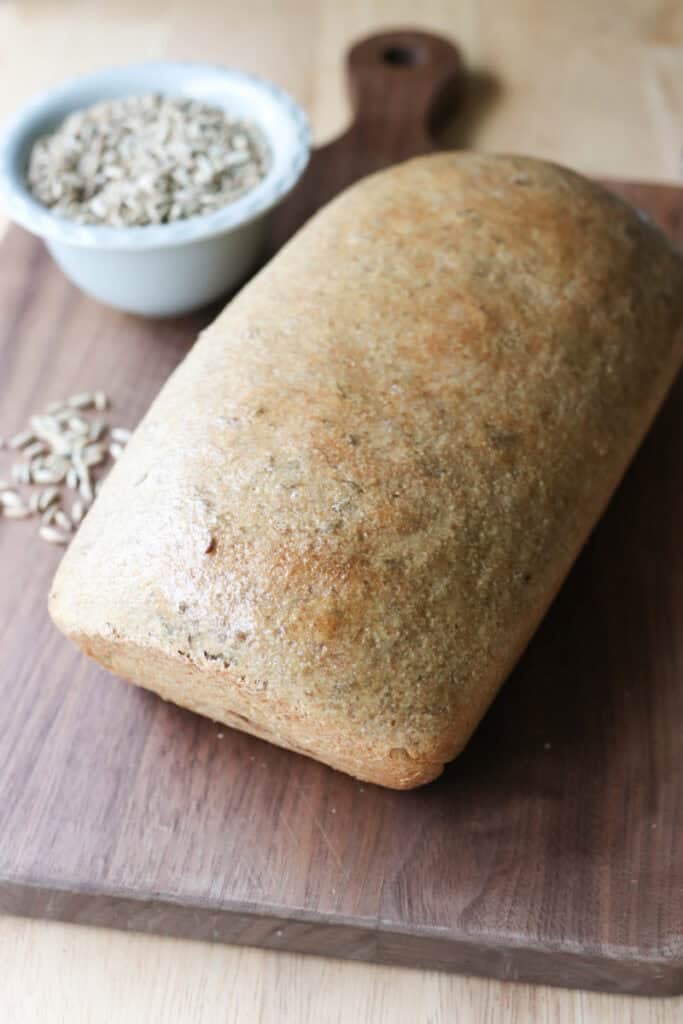
Cocoa Powder Cocoa powder simply serves to color the bread, giving it that lovely marbled effect. It does not flavor the bread.
Caraway Seeds
These seeds give a subtle, spicy note that provide the classic rye bread taste.
Tips for Success
#1 Use freshly milled flour promptly
Freshly milled flour can oxidize and lose flavor quickly, so it’s best to mill it just before mixing your dough. This keeps all the natural oils and nutrients intact, giving your bread that superior taste.
#2 Hydrate rye flour well
Rye flour can absorb water differently than wheat, so allow extra time for your dough to rest and hydrate properly. This helps develop the right texture and avoids a dense loaf.
#3 Slice after cooling
Let your bread cool completely before slicing to preserve the crumb’s moistness and prevent it from becoming gummy.
Helpful Tools & Supplies
Whether you’re just dipping your toes into the world of fresh milled flour or you’re a seasoned home baker, I’ve taken the guesswork out of what you truly need. All of these tools and resources are available in my shop, designed to help your journey be smooth and nourishing:
Grain Mills
- NutriMill Classic Grain Mill – My go-to for fine, consistent milling; perfect for sandwich breads and everyday baking.
- NutriMill Harvest Grain Mill – Stone-ground elegance: this model delivers whole-grain flavor with a beautiful appearance.
Mixers
- Ankarsrum Mixer – A powerhouse kitchen companion with multiple speeds and attachments—ideal for kneading bread dough effortlessly.
Baking & Bread Tools
- Bread Bow Knife – Artisan-made with a high-carbon steel blade and cherry wood handle—this knife slices loaves with ease.
- Sourdough Essentials Kit With Starter – Complete starter kit that includes dehydrated sourdough starter, banneton baskets, a dough whisk, scoring lame, and more.
Cookbooks & eBook Bundles
- Everyday Whole Grains Vol. 1 & 2 (printed & digital) – Packed with 70+ recipes built around fresh milled flour, from breads to snacks and desserts.
- The Fresh Breads Bundle – A comprehensive set including eBooks like The Perfect Loaf, the Cookie Jar, bulk baking guides, and a sourdough mini‑course—all centered on fresh milled flour.
- Freshly Milled Made Simple Guide – A video-based guide that walks you through milling and baking basics, making the process feel easy and approachable.
Specialty Items
- Dehydrated Sourdough Starter – Just add water and flour to rehydrate this starter—perfect for bakers without an active sourdough culture.
- I Knead Fresh Flour Mug – A charming, handmade 12 oz ceramic mug—great for coffee breaks during dough rising!
Why These Are Worth It
Every tool in this collection has been personally vetted to support you in baking with fresh milled flour. From the grain mills that make your flour, to mixers that knead dough, to resources that teach you every step—it’s all here to make sure your homemade bread journey is joyful, nourishing, and successful.
➡️ Explore all of these items and more in the Generation Acres Farm Shop — your one-stop spot for fresh milled flour baking essentials.
Equipment:
Rolling Pin
Mixing Bowls
Measuring Cups and Spoons
Bread Baking Pan or Loaf Pan
Wire Rack
How to Make Perfect Marbled Rye Bread with Fresh Milled Flour
Ingredients:
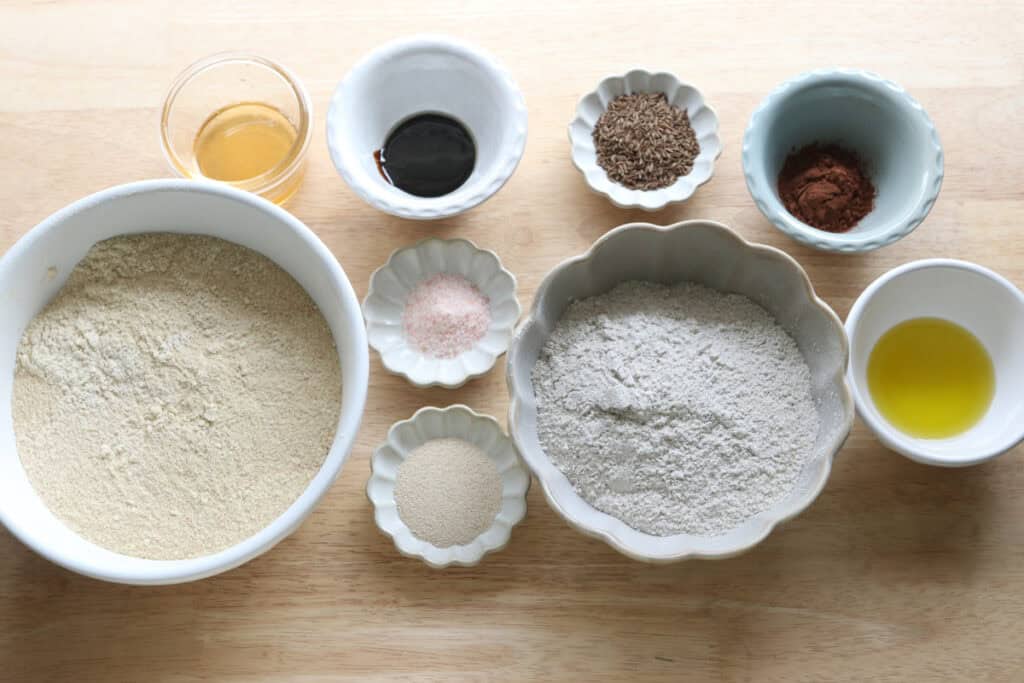
- 1 ¼ cups warm water (275 grams)
- 2 tablespoons honey
- 2 tablespoons olive oil
- 1 ½ teaspoons salt
- 2 cups freshly milled hard white wheat flour, finely milled (260 grams)
- 1 ½ cups freshly milled rye flour, finely milled (141 grams)
- 1 ½ tablespoons caraway seeds
- 2 ½ teaspoons instant yeast
- 4 teaspoons cocoa powder
- 1 tablespoon molasses
Directions:
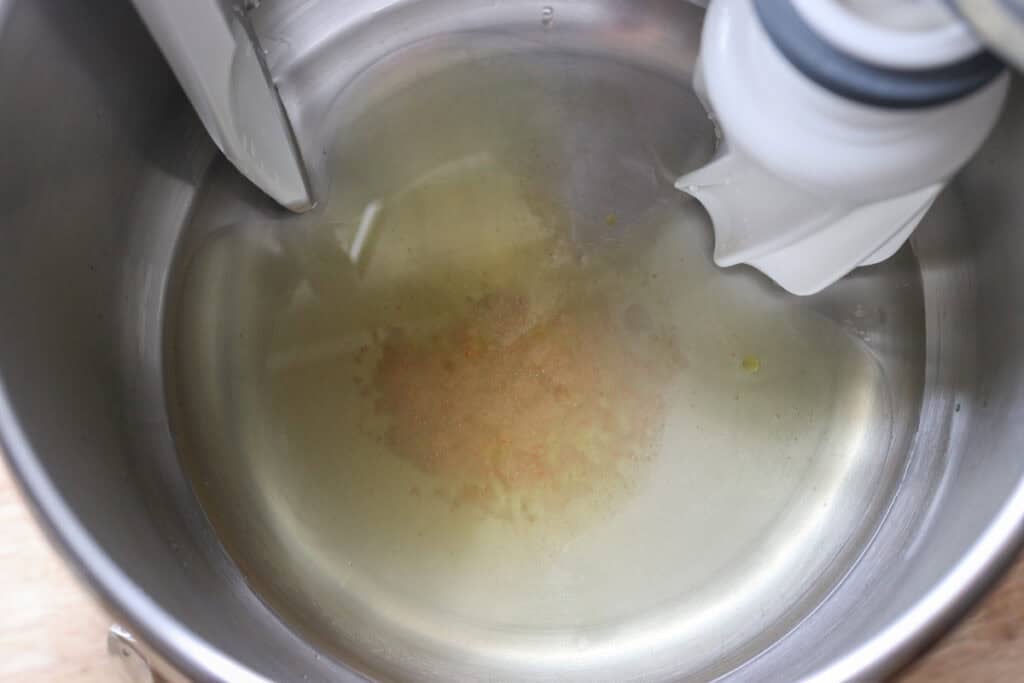
- In the bowl of a stand mixer, combine the water, honey, oil, and salt.
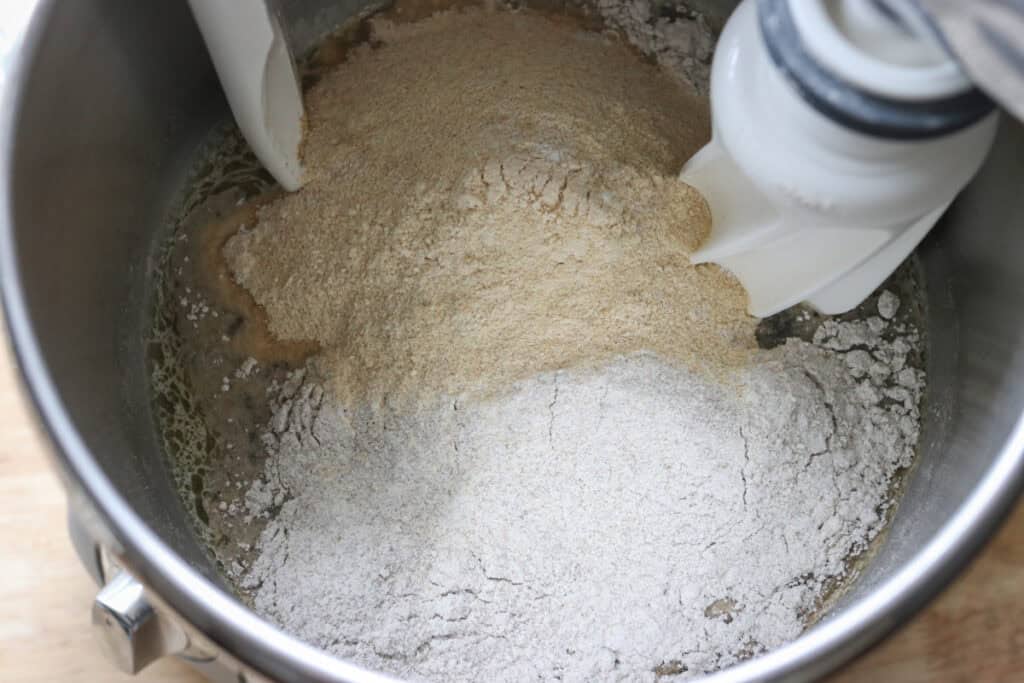
- Add the rye flour, 1 cup of the hard white wheat flour, and caraway seeds and combine. Let the dough rest for 15 minutes.
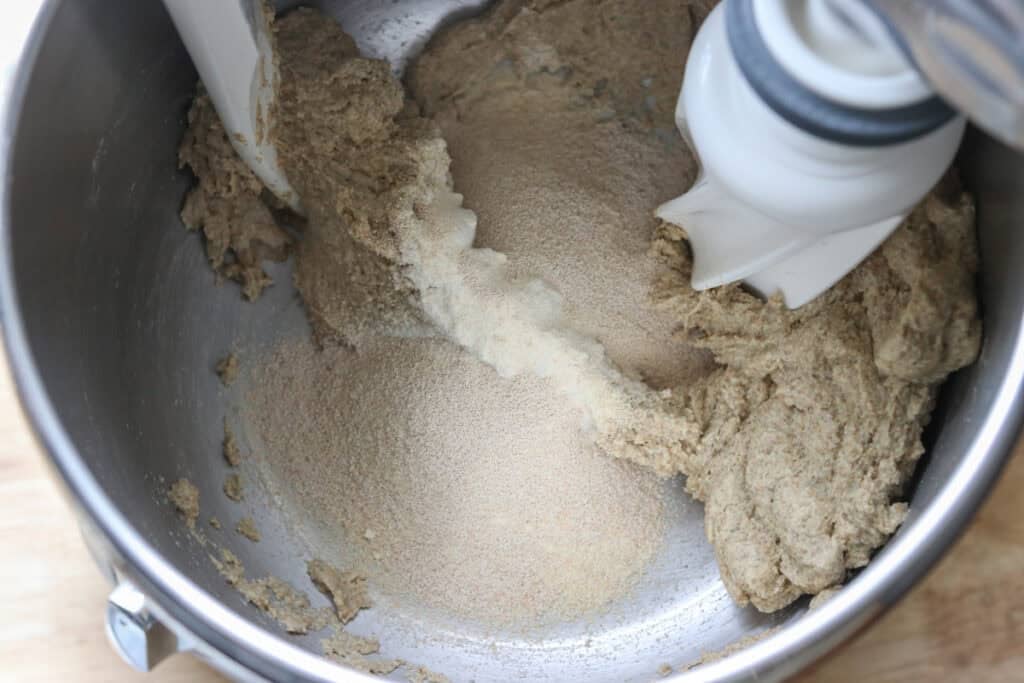
- Add the yeast and remaining flour, if needed. Add a half cup at a time, watching to see when it starts to pull away from the sides of the bowl. Do not add anymore flour once it starts doing this.
- Knead until you have a smooth dough and you reach windowpane. The dough should be smooth and just a little bit sticky.
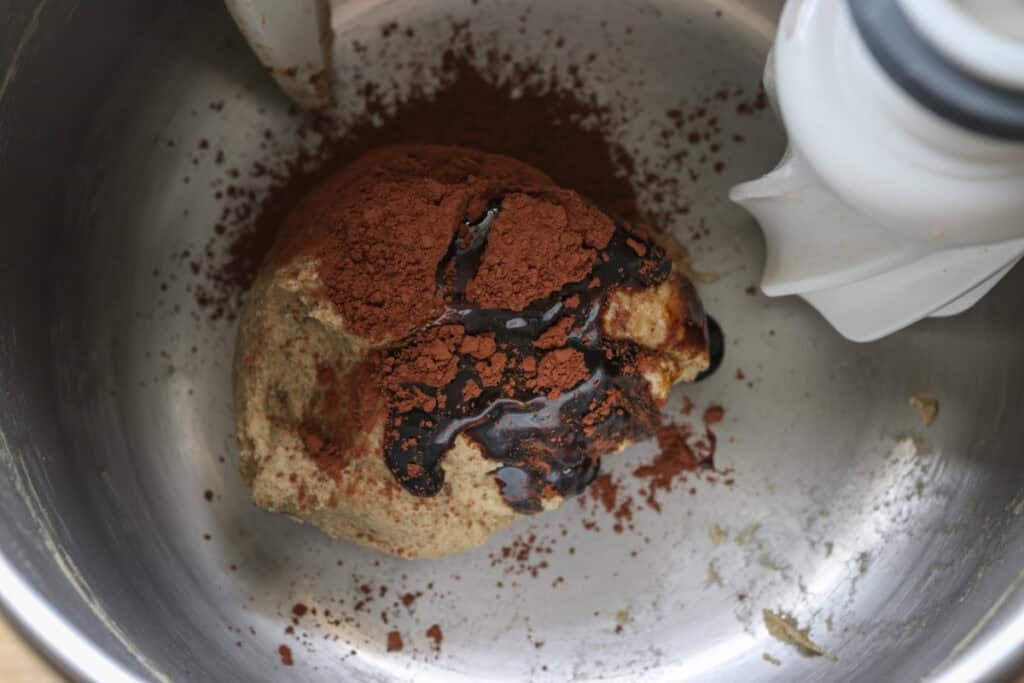
- Remove half of the dough from the bowl and set in a greased bowl. To the remaining half of dough in the mixer, add the cocoa powder and molasses. Mix until fully combined.
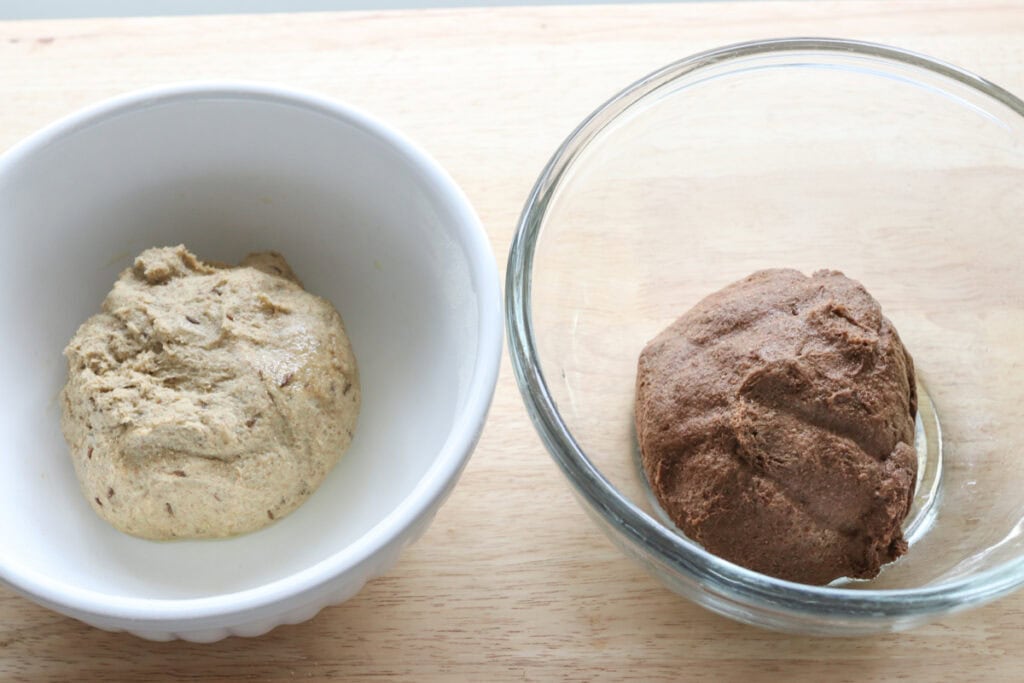
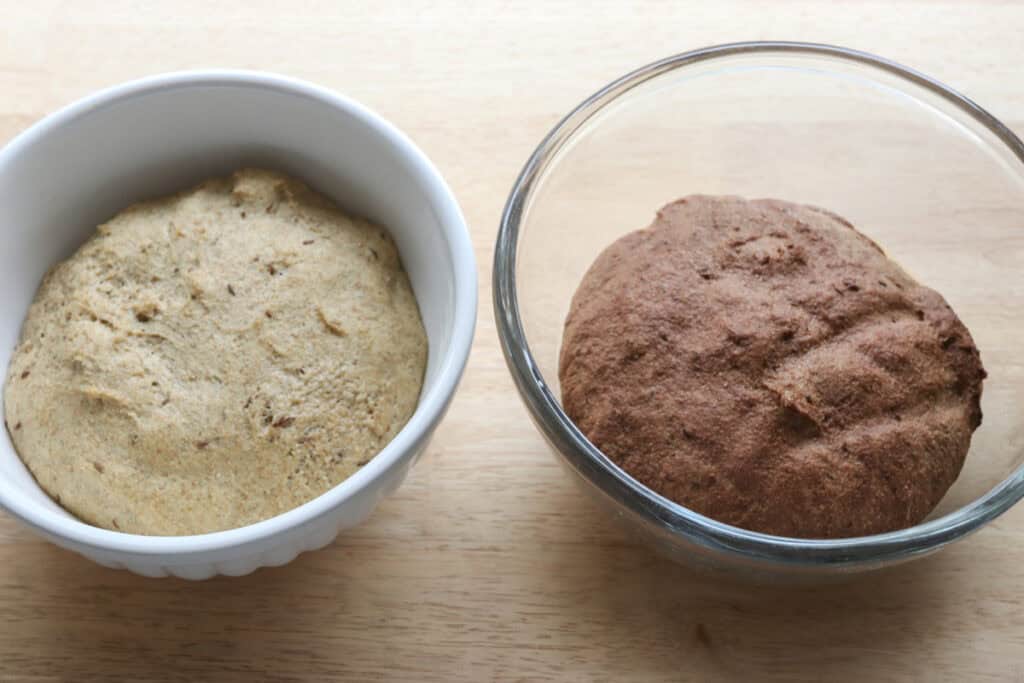
- Place in a bowl and cover to rise. Let both doughs rise until doubled in size, about an hour.
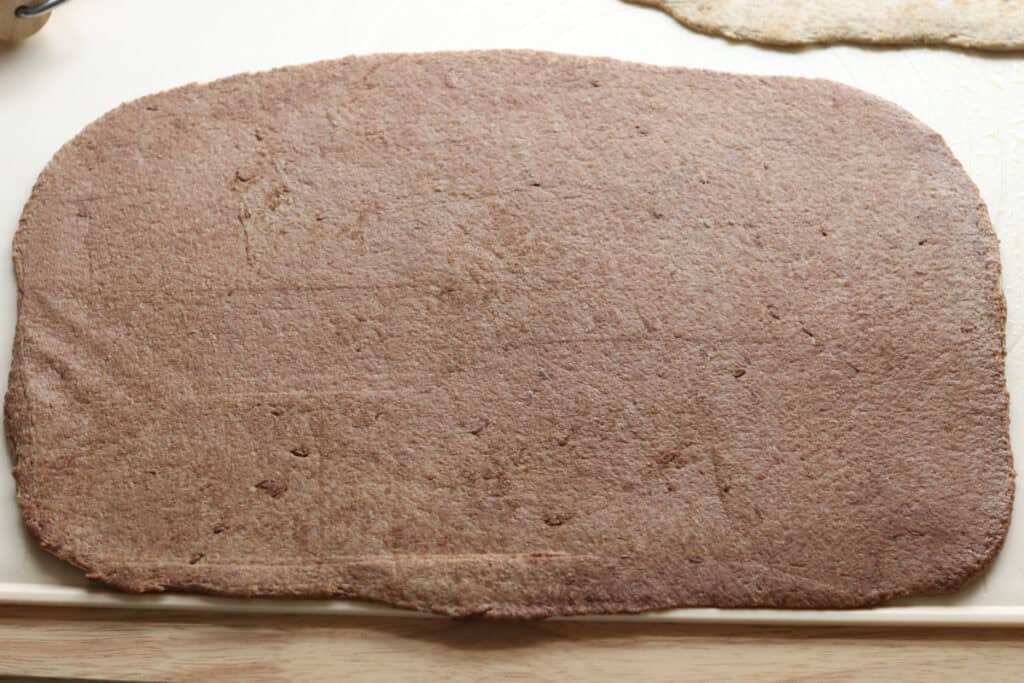
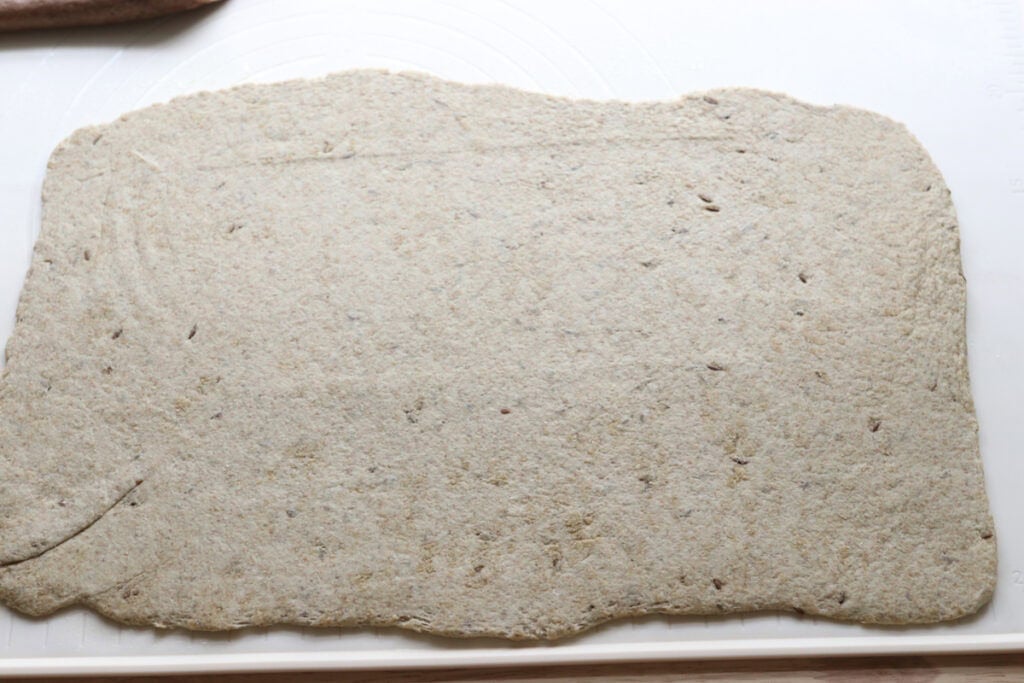
- Once risen, turn the dark rye dough out onto an oiled or lightly floured surface. Roll into a 13 x 9 inch rectangle. Set aside and roll the light rye dough into the same size rectangle.
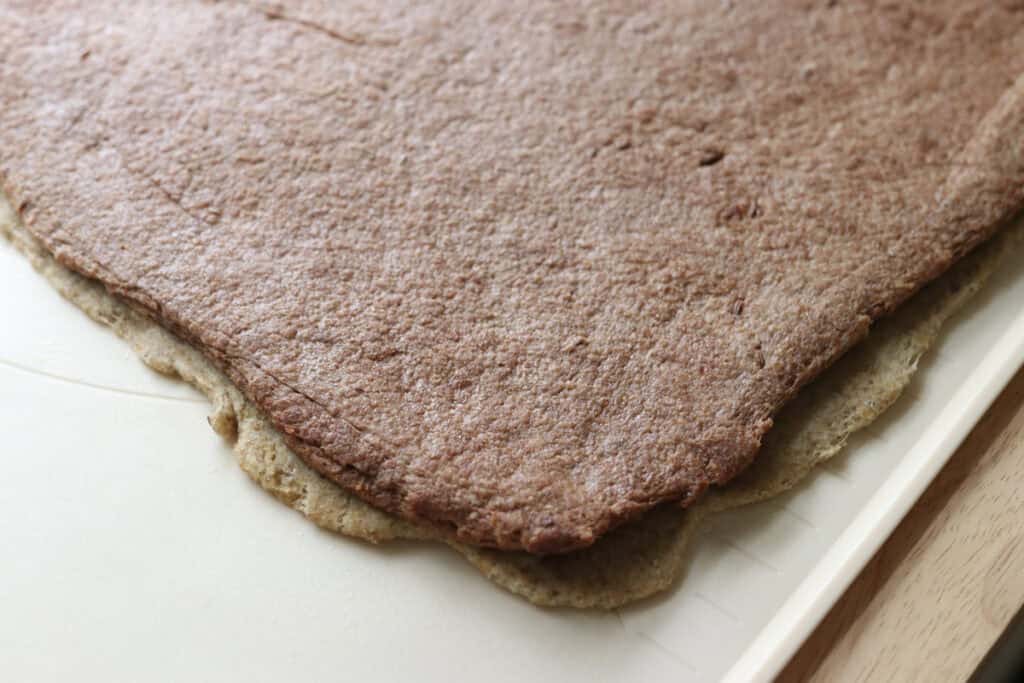
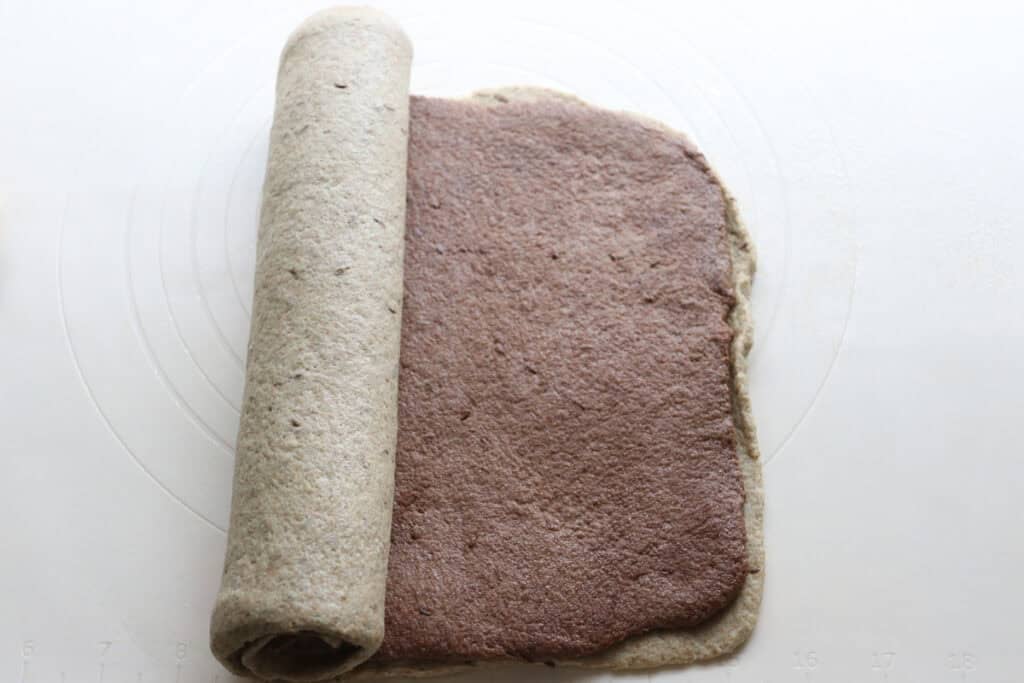
- Place the darker dough on top of the lighter dough and roll up into a log. Pinch the ends together. Place into a greased 9 x 5 inch loaf pan seam side down.
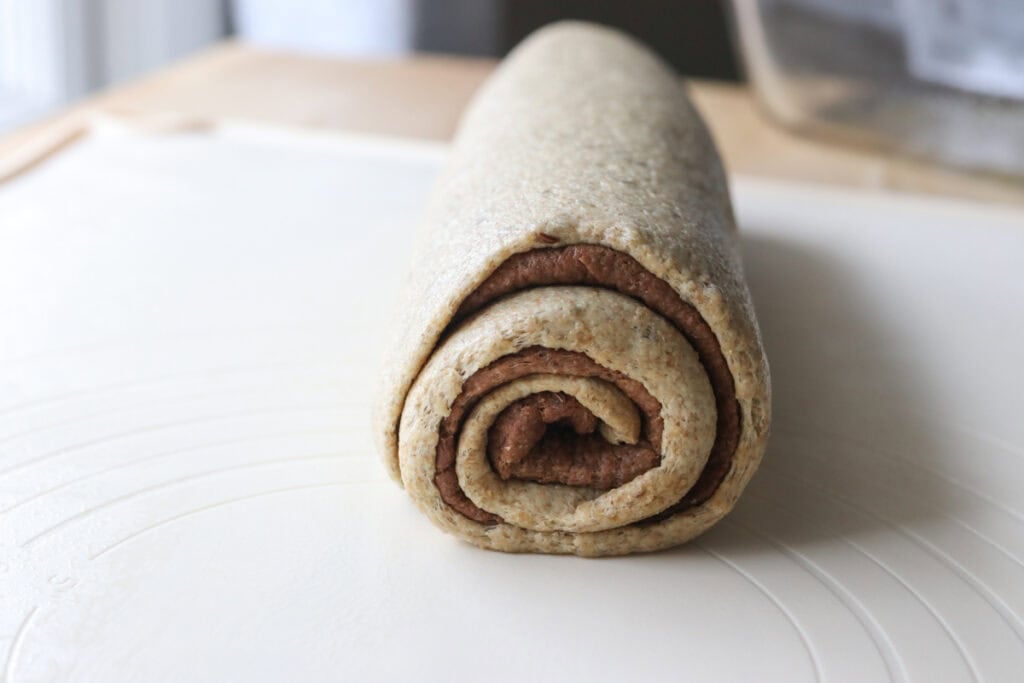
- Cover and allow to rise in a warm place until doubled in size, 40 minutes to an hour.
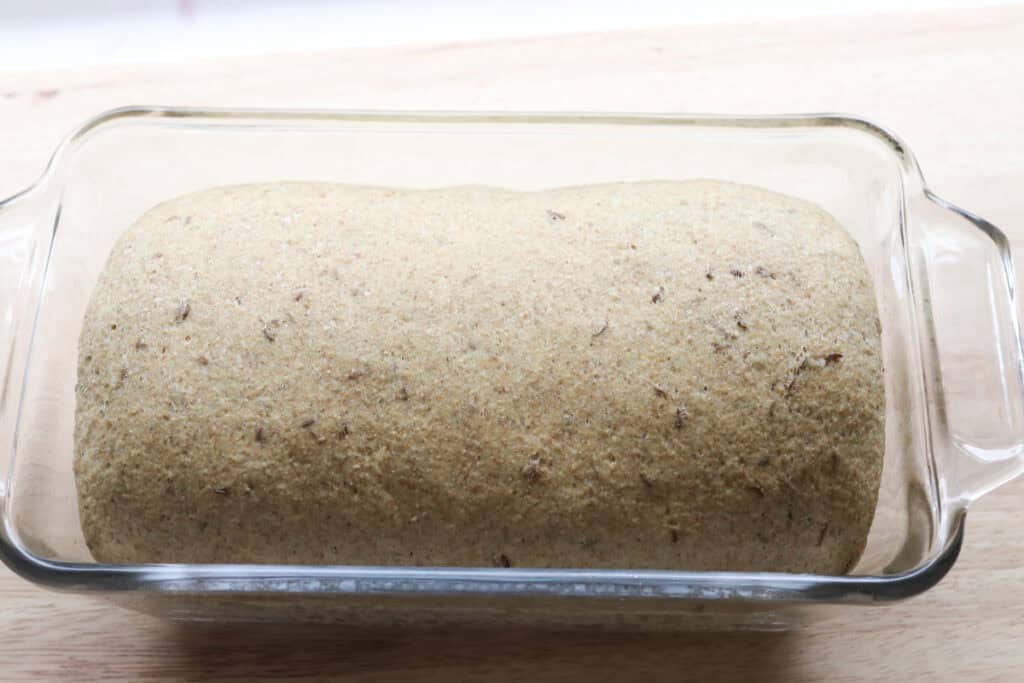
- Preheat the oven to 350 degrees F. and bake for 30-35 minutes, until it reaches an internal temperature of 190 degrees F.
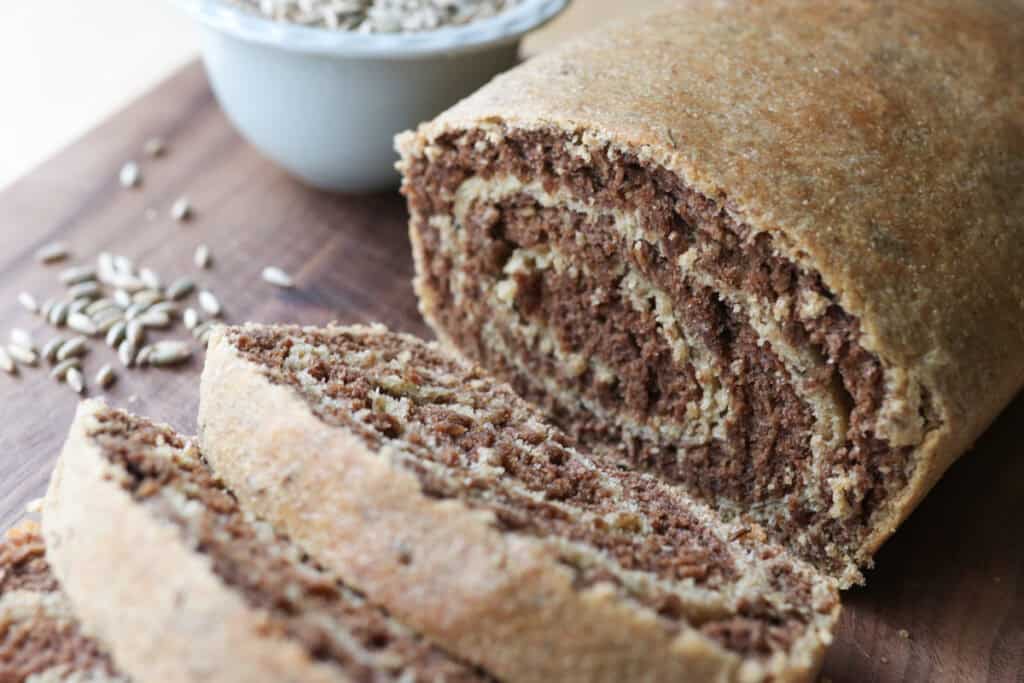
Recipe Variations
Seeded Top:
Add a sprinkle of sunflower, sesame, or pumpkin seeds on top before baking for extra crunch and visual appeal.
Sweet Twist:
Incorporate dried fruit like raisins or apricots into the dough for a slightly sweet and chewy surprise in each slice.
Mini Loaves:
Make smaller loaves for gift-giving or portion control, which also bake faster and can be easily frozen.
Troubleshooting Common Problems with this Recipe
Dense or Heavy Bread
If your bread turns out dense, make sure your yeast is active and not expired. Also, try letting the dough rise a little longer and knead thoroughly to develop gluten for better structure.
Marbling Isn’t Distinct
To get a vivid swirl, lightly layer and gently fold them to keep the contrast between colors clear.
Sticky Dough Difficult to Handle
Rye dough tends to be sticky; dust your hands and work surface lightly with flour and use a dough scraper to help manage it.
Crust Too Hard or Thick
If the crust is tougher than you like, try reducing the baking time slightly or baking at a lower temperature. A small pan of water in the oven can help keep moisture in for a softer crust.
Bread Falls Flat
Avoid over-proofing the dough as it can collapse during baking. Keep an eye on the rise and bake when the dough has roughly doubled in size, not more.
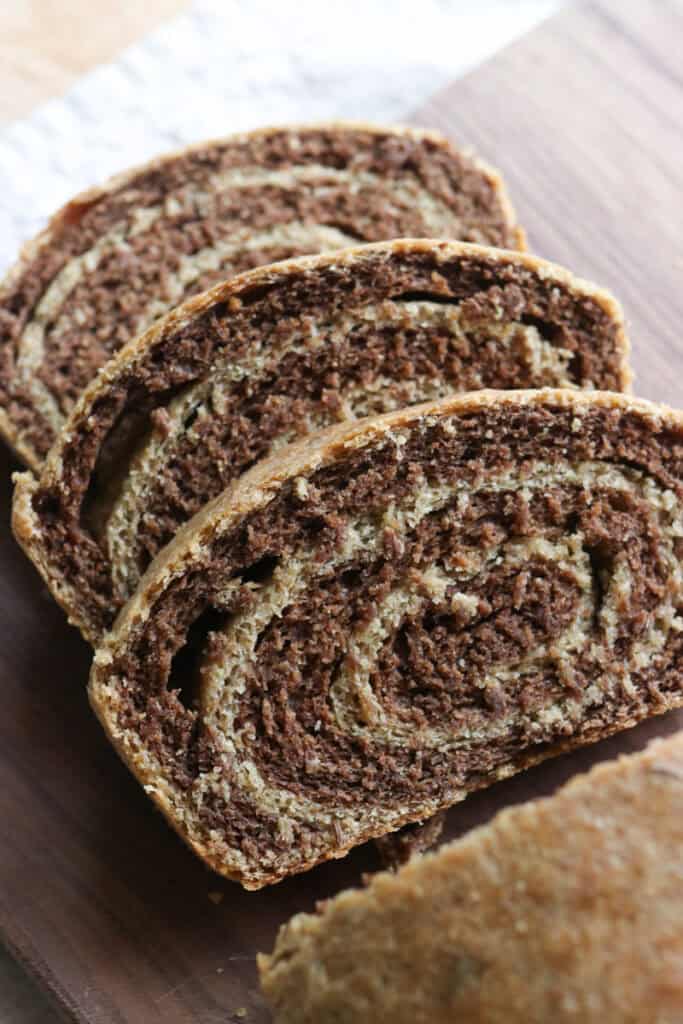
Freezing & Storing Leftovers
Freezing:
Allow the bread to cool completely before wrapping it tightly in plastic wrap and place in a freezer safe bag. Freeze for up to 3 months. To enjoy, thaw at room temperature and refresh in the oven for a few minutes to regain crust crispness.
Storing:
Keep your bread in a plastic bag or airtight container at room temperature for 2-3 days to maintain the crust’s texture. For longer storage, wrap in a clean cloth and refrigerate, but note this can dry out the bread slightly.
Extra FAQs
Can I mill the flour ahead of time?
You can, but it’s best to use freshly milled flour right away for the best flavor and texture.
Is it okay to use all rye flour instead of mixing?
Using 100% rye flour can make the bread denser and stickier. This blend with fresh milled flour helps give the bread a better rise and lighter crumb.
How long will the dough take to rise?
Rising times can vary based on temperature but expect around 1 to 2 hours for the first rise until doubled in size, with a shorter second rise. The temperature of your kitchen will slow or quicken fermentation.
Perfect Marbled Rye Bread with Fresh Milled Flour
Ingredients
- 1 ¼ cups warm water 275 grams
- 2 tablespoons honey
- 2 tablespoons olive oil
- 1 ½ teaspoons salt
- 2 cups freshly milled hard white wheat flour finely milled (260 grams)
- 1 ½ cups freshly milled rye flour finely milled (141 grams)
- 1 ½ tablespoons caraway seeds
- 2 ½ teaspoons instant yeast
- 4 teaspoons cocoa powder
- 1 tablespoon molasses
Instructions
- In the bowl of a stand mixer, combine the water, honey, oil, and salt.
- Add the rye flour, 1 cup of the hard white wheat flour, and caraway seeds and combine. Let the dough rest for 15 minutes.
- Add the yeast and remaining flour, if needed. Add a half cup at a time, watching to see when it starts to pull away from the sides of the bowl. Do not add anymore flour once it starts doing this.
- Knead until you have a smooth dough and you reach windowpane. The dough should be smooth and just a little bit sticky.
- Remove half of the dough from the bowl and set in a greased bowl. To the remaining half of dough in the mixer, add the cocoa powder and molasses. Mix until fully combined.
- Place in a bowl and cover to rise. Let both doughs rise until doubled in size, about an hour.
- Once risen, turn the dark rye dough out onto an oiled or lightly floured surface. Roll into a 13 x 9 inch rectangle. Set aside and roll the light rye dough into the same size rectangle. Place the darker dough on top of the lighter dough and roll up into a log. Pinch the ends together. Place into a greased 9 x 5 inch loaf pan seam side down.
- Cover and allow to rise in a warm place until doubled in size, 40 minutes to an hour.
- Preheat the oven to 350 degrees F. and bake for 30-35 minutes, until it reaches an internal temperature of 190 degrees F.



I’m so excited you have a rye recipe!! We love rye. I just received my rye grain from Azure.
Just curious, why cocoa powder? Can I use something else or leave it out? I have a sensitivity to anything with cocoa. 😔
Thank you!
You can leave it out. It adds a richer color and a depth of flavor