Orange Almond Poppy Seed Cake with Fresh Milled Flour
This post may contain affiliate links. Please read our Disclosure Policy.
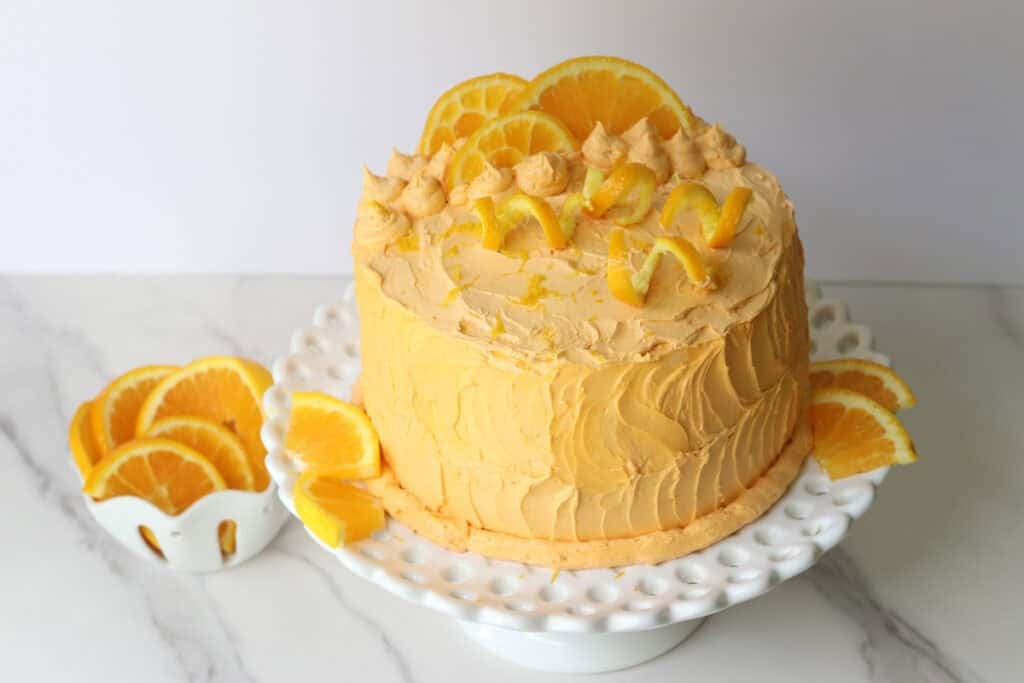
Most orange cakes taste like they’re trying too hard, all sweetness and no soul. This one is different because it leans into texture just as much as flavor. Fresh milled flour gives the crumb a nutty, almost earthy depth that plays beautifully against bright citrus and the gentle crunch of poppy seeds. Almond extract adds richness without making things heavy. It is also filled with a homemade orange curd between the layers. The result is a cake that tastes like actual ingredients, not a flavor lab. It’s the kind of cake that’s perfect for the whole family, for breakfast with coffee, afternoon tea, or a special occasion. The fresh milled flour is what makes it special, but the technique keeps it approachable. If you’ve been milling your own flour and wondering what to bake that actually shows off the difference, this is it.
What Makes This Recipe Great
Fresh milled flour in cake is either a revelation or a disaster, and the difference comes down to understanding what you’re working with. This recipe was built specifically to let fresh flour shine without turning the cake dense, gummy, or weird.
Why fresh milled flour works here: Unlike all-purpose flour from the grocery store that’s been stripped and aged, fresh milled flour still has the bran, germ, and all the natural oils intact. That means more flavor, but also more moisture absorption and a shorter shelf life for the flour itself. In this cake, the almond extract and higher fat content from eggs and oil compensate for that extra absorption, so you get a moist, tender crumb instead of a dry brick.
The orange does double duty: Fresh orange zest and juice don’t just add flavor. The acidity helps tenderize the crumb and balances the richness from the almond extract and oil. You’re building layers of flavor that actually interact with each other instead of just sitting side by side.
Poppy seeds add textural contrast: They’re subtle, but they give you little pockets of crunch that break up the softness. Plus, they look great and add a slightly nutty, earthy undertone that plays well with both the almond extract and the whole grain flour.
The magic is in how everything balances. You get the brightness of citrus, the richness of almond extract, the gentle bitterness of fresh milled grain, and a crumb that’s moist without being heavy. It’s a cake that tastes like it came from a really good bakery, but the technique is straightforward enough that you won’t stress over it.
For more fresh milled treats, try these delicious Frosted Banana Bars or these Glazed Lemon Cookies!
Overview of Ingredients
Fresh milled flour: This is the foundation. Soft white wheat berries or spelt berries work best for cakes because they’re lower in protein than hard red wheat, which means a more tender crumb. Mill it as close to baking time as possible. Fresh flour oxidizes quickly, and you’ll lose flavor and nutrition the longer it sits.
Egg whites: Structure and richness. Egg whites help the cake rise, while also creating a lighter texture.
Sugar: Sweetness, obviously, but also moisture and tenderness. You can reduce it slightly if you prefer a less sweet cake, but don’t go below ½ cup or the texture will suffer.
Buttermilk: Buttermilkl keeps the cake moist longer, and it doesn’t compete with the delicate orange and almond flavors.
Sour cream: Gives the cake a richer and softer crumb while maintaining structure and moisture balance.
Fresh orange zest: The zest is where the intense citrus flavor lives.
Almond extract: Adds a rich, nutty depth that complements the fresh milled flour and citrus beautifully. A little goes a long way—don’t add more or it’ll taste medicinal. Pure almond extract is worth it here.
Poppy seeds: Textural contrast and a subtle flavor boost. Don’t use more than this or the cake starts to taste soapy.
Salt: Amplifies every other flavor. Don’t skip it.
Vanilla extract: Rounds out the flavor and adds a little warmth. Pure vanilla is worth it here. The imitation stuff tastes harsh next to fresh citrus.

Tips for Success
Use soft wheat or spelt berries, not hard wheat. Hard red wheat has too much protein for a tender cake. It’ll work if that’s all you have, but the texture will be more bread-like. Soft white wheat or spelt gives you a lighter, sweeter crumb that actually tastes like cake.
Don’t skip the almond extract. It adds essential richness and depth that balances the brightness of the citrus and complements the whole grain flour.
Zest before you juice. Once you cut into an orange, zesting it becomes a slippery nightmare. Zest first, then juice.
Room temperature ingredients matter. Cold egg whites don’t blend as well and you may end up with a separated, greasy batter instead of a smooth batter. Let your egg whites sit out for 30 minutes, or put them in a bowl of warm water for 5 minutes.
Check for doneness early. Ovens vary, and fresh milled flour can brown faster than all-purpose because of the natural sugars in the bran. Start checking at 30 minutes. If the top is browning too fast but the center isn’t set, tent it loosely with foil and keep baking.
Let the cake cool completely before slicing. Fresh milled flour needs time to set up after baking. If you cut into it too soon, the crumb will be gummy and stick to the knife. Patience pays off here.
Helpful Tools & Supplies
Whether you’re just dipping your toes into the world of fresh milled flour or you’re a seasoned home baker, I’ve taken the guesswork out of what you truly need. All of these tools and resources are available in my shop, designed to help your journey be smooth and nourishing:
Grain Mills
- NutriMill Classic Grain Mill – My go-to for fine, consistent milling; perfect for sandwich breads and everyday baking.
- NutriMill Harvest Grain Mill – Stone-ground elegance: this model delivers whole-grain flavor with a beautiful appearance.
Mixers
- Ankarsrum Mixer – A powerhouse kitchen companion with multiple speeds and attachments—ideal for kneading bread dough effortlessly.
Baking & Bread Tools
- Bread Bow Knife – Artisan-made with a high-carbon steel blade and cherry wood handle—this knife slices loaves with ease.
- Sourdough Essentials Kit With Starter – Complete starter kit that includes dehydrated sourdough starter, banneton baskets, a dough whisk, scoring lame, and more.
Cookbooks & eBook Bundles
- Everyday Whole Grains Vol. 1 & 2 (printed & digital) – Packed with 70+ recipes built around fresh milled flour, from breads to snacks and desserts.
- The Fresh Breads Bundle – A comprehensive set including eBooks like The Perfect Loaf, the Cookie Jar, bulk baking guides, and a sourdough mini‑course—all centered on fresh milled flour.
- Freshly Milled Made Simple Guide – A video-based guide that walks you through milling and baking basics, making the process feel easy and approachable.
Specialty Items
- Dehydrated Sourdough Starter – Just add water and flour to rehydrate this starter—perfect for bakers without an active sourdough culture.
- I Knead Fresh Flour Mug – A charming, handmade 12 oz ceramic mug—great for coffee breaks during dough rising!
Why These Are Worth It
Every tool in this collection has been personally vetted to support you in baking with fresh milled flour. From the grain mills that make your flour, to mixers that knead dough, to resources that teach you every step—it’s all here to make sure your homemade bread journey is joyful, nourishing, and successful.
➡️ Explore all of these items and more in the Generation Acres Farm Shop — your one-stop spot for fresh milled flour baking essentials.
Equipment You’ll Need
You don’t need a fancy kitchen to pull this off, but a few specific tools will make your life significantly easier and your cake noticeably better.
- Measuring Cups
- Large Mixing Bowl
- 9-inch round cake pan or loaf pan
- Parchment paper
- Microplane or fine grater
- Electric Mixer
- Fine mesh strainer
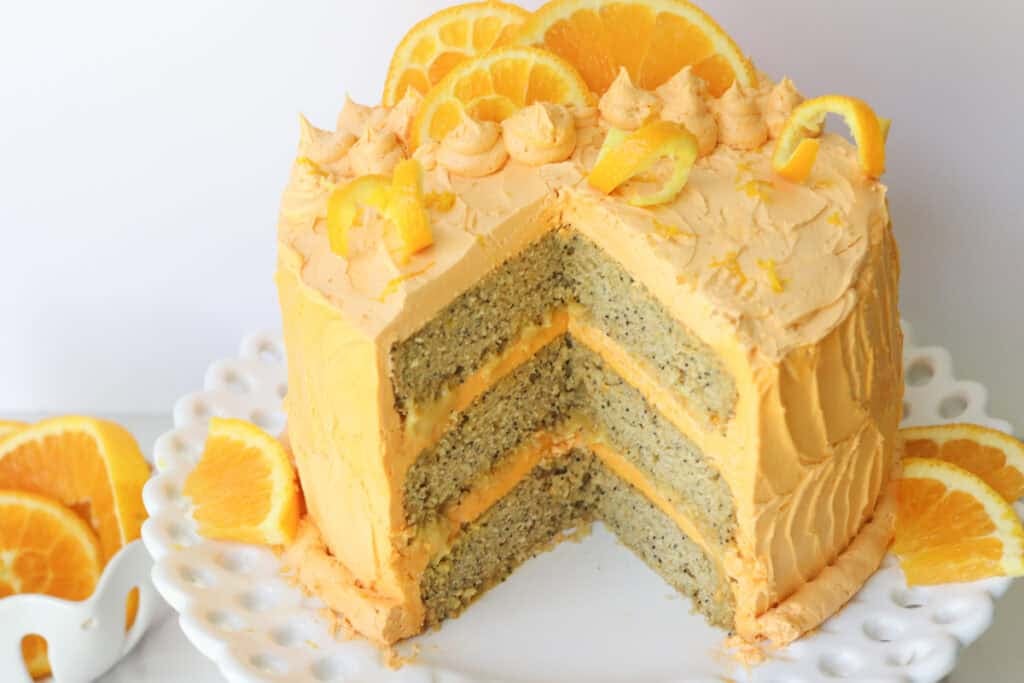
How to Make Orange Almond Poppy Seed Cake with Fresh Milled Flour
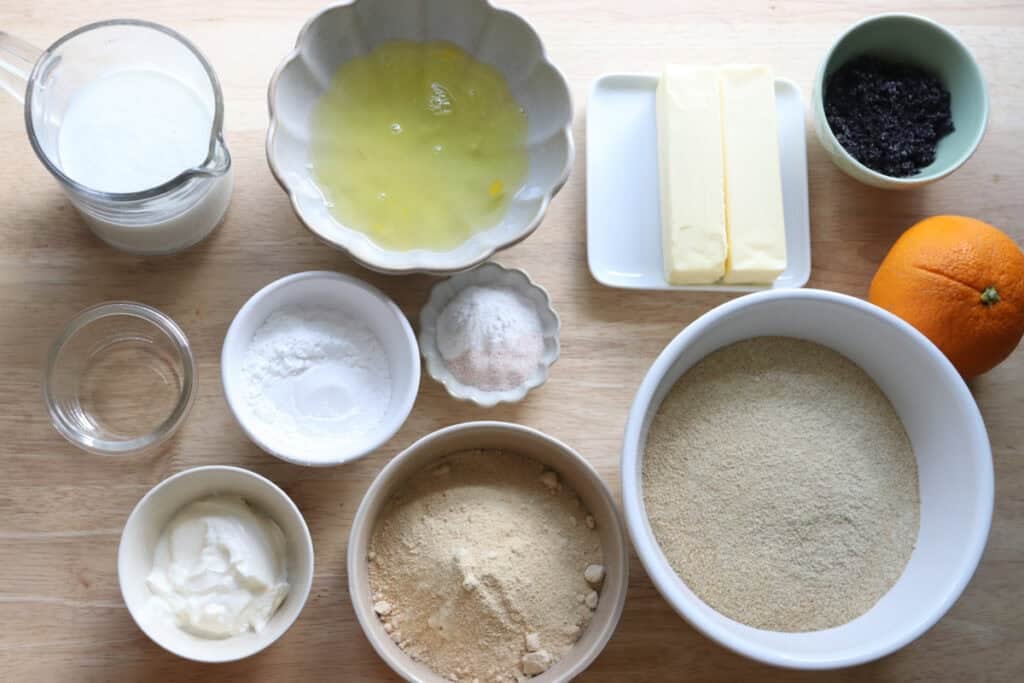
Ingredients
Cake Batter:
- 1 cup softened butter (230 grams)
- 1 ¼ cups sugar (250 grams)
- 2 tablespoons orange zest
- 6 egg whites
- 2 ¼ teaspoons almond extract
- 1 ¼ cups buttermilk (280 grams)
- 3 ¾ cups freshly milled soft white wheat flour, finely milled & sifted (431 grams)
- 1 tablespoon baking powder
- 1 teaspoon salt
- 3 ½ tablespoons poppy seeds
- ⅓ cup sour cream (76 grams)
Orange Curd:
- ⅓ cup sugar (67 grams)
- 1 ½ tablespoons orange zest
- ½ cup fresh orange juice (124 grams)
- 3 eggs
- 4 egg yolks
- ¼ cup cold butter (58 grams)
Almond Buttercream:
- 2 cups butter (230 grams)
- 2 teaspoons vanilla
- 1 ½ teaspoons almond
- 5 ½ cups powdered sugar (550 grams)
- Natural orange food coloring
Directions:
- Soak the poppy seeds in water for at least 30 minutes. This will help them not absorb so much liquid from the cake batter.
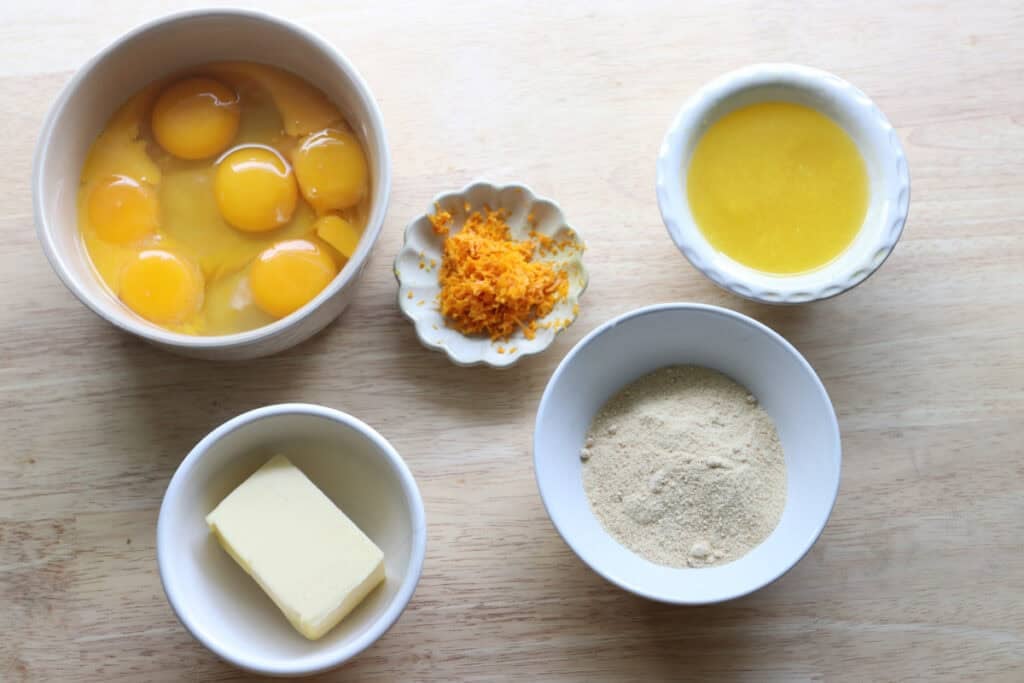
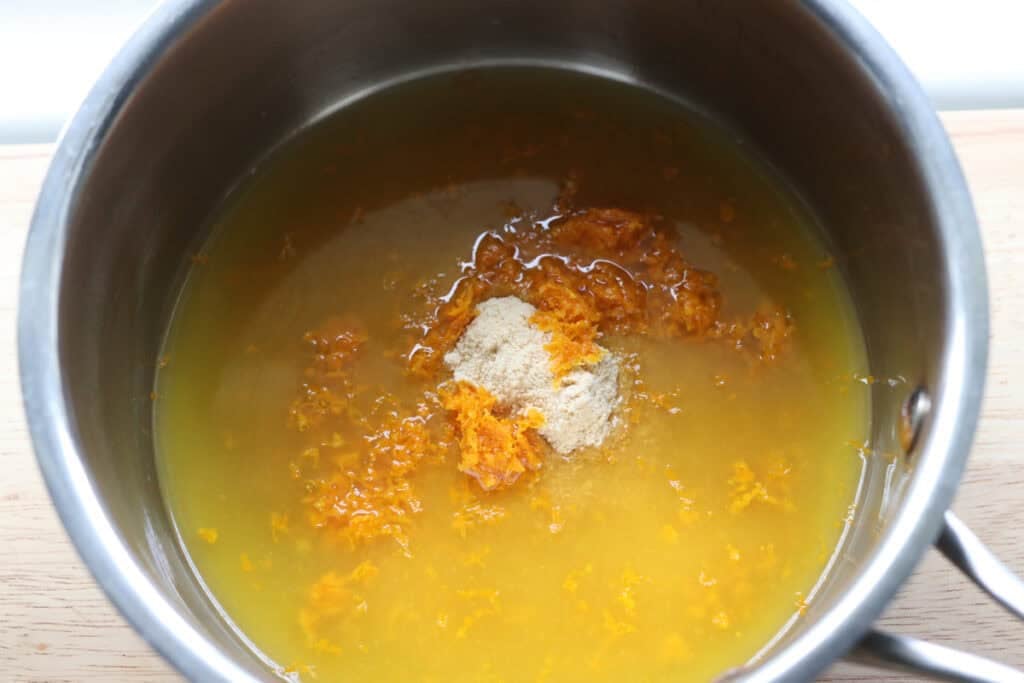
- Prepare the orange curd by combining the sugar, orange zest and juice into a small sauce pan. Cook over medium-low heat until heated through. Whisk the eggs and egg yolks together, then very slowly pour the eggs into the pan in a small stream while whisking continuously. Make sure you do not add a bunch of eggs at a time or stop whisking. You do not want to scramble the eggs.
- Cook over medium-low heat for about 10 minutes until thickened. Continue whisking.
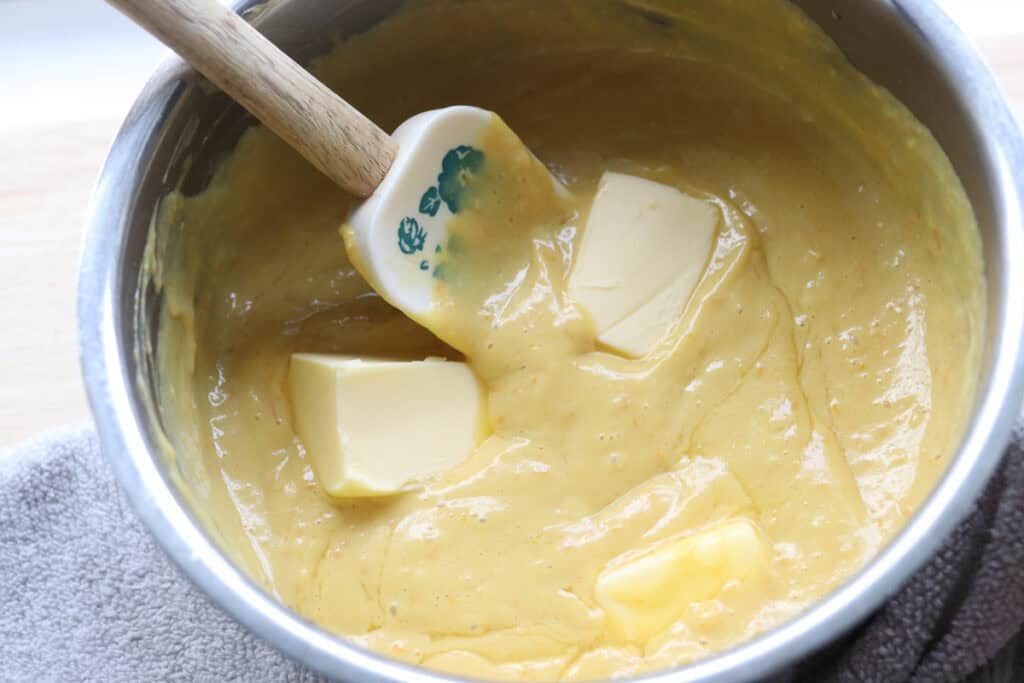
- Cut the butter into 4 pieces, then remove from the heat and stir in the butter.
- Allow to cool, then place in the fridge to cool and thicken completely.
- Preheat the oven to 325 degrees F. and grease and flour 3 8-inch cake pans.
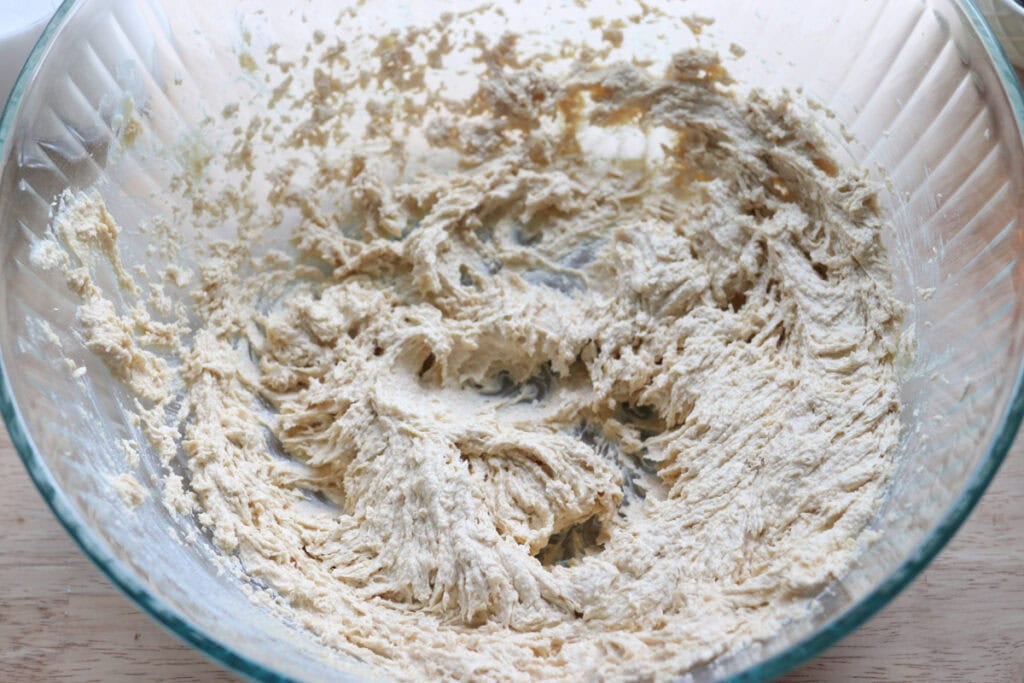
- In the bowl of a stand mixer, cream the butter and sugar.
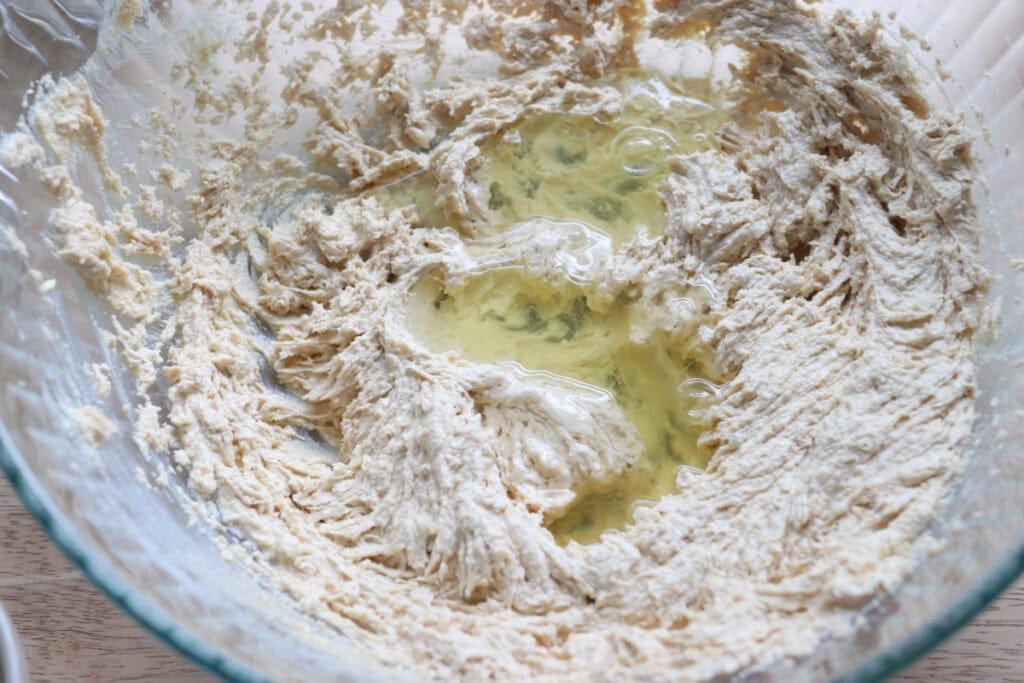
- Begin to add the egg whites slowly, mixing in between. Beat for several minutes, until light and fluffy.
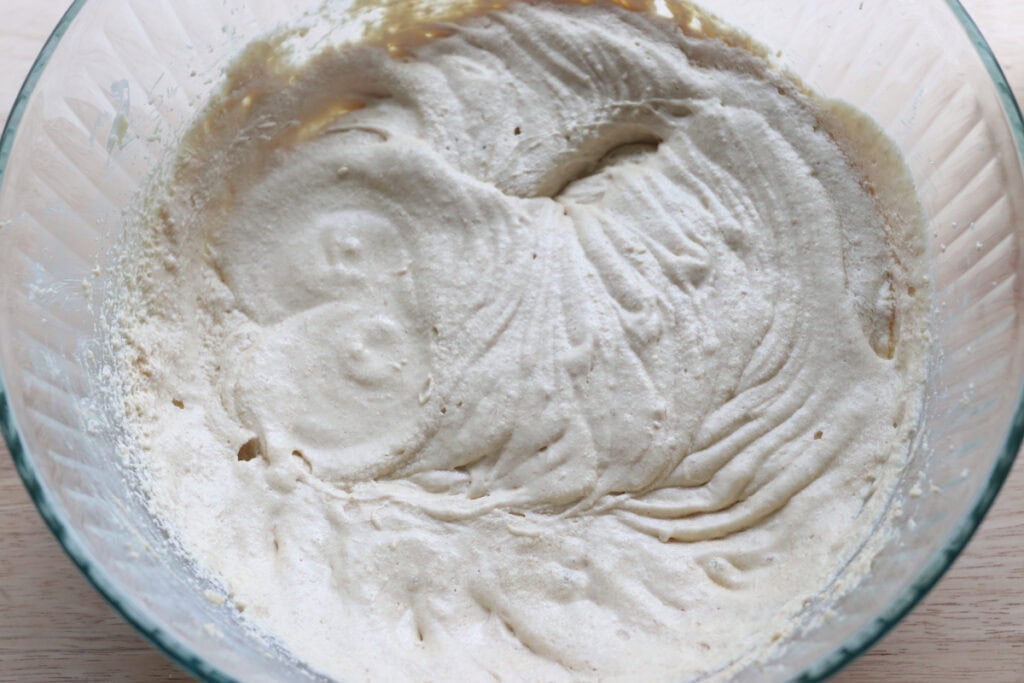
- Mill the flour and sift it. You should have 3 3/4 cups after sifting.
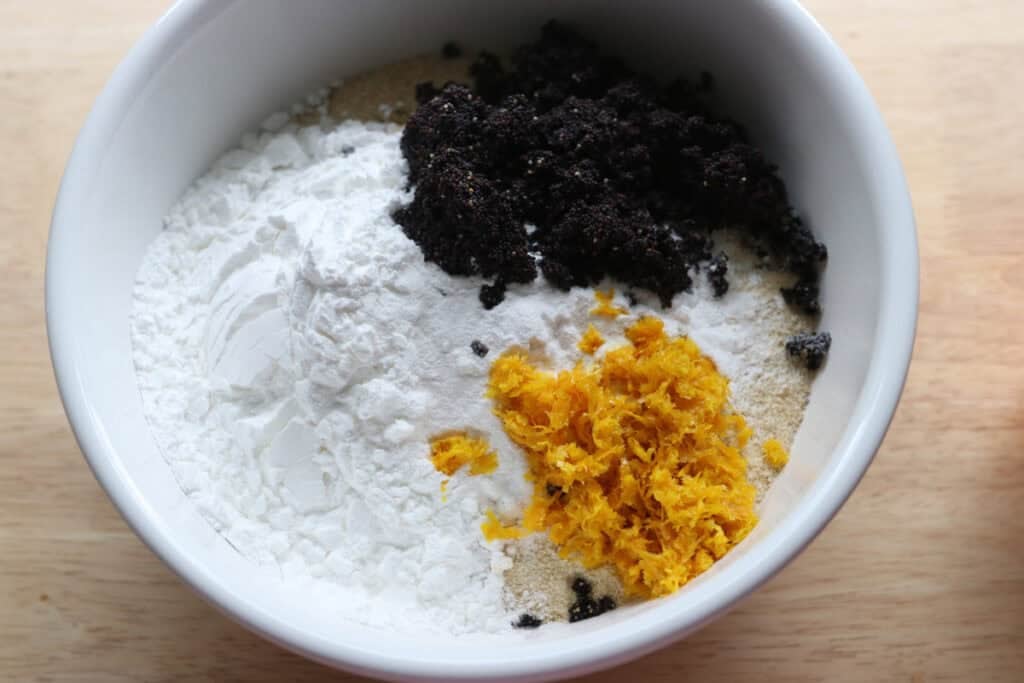
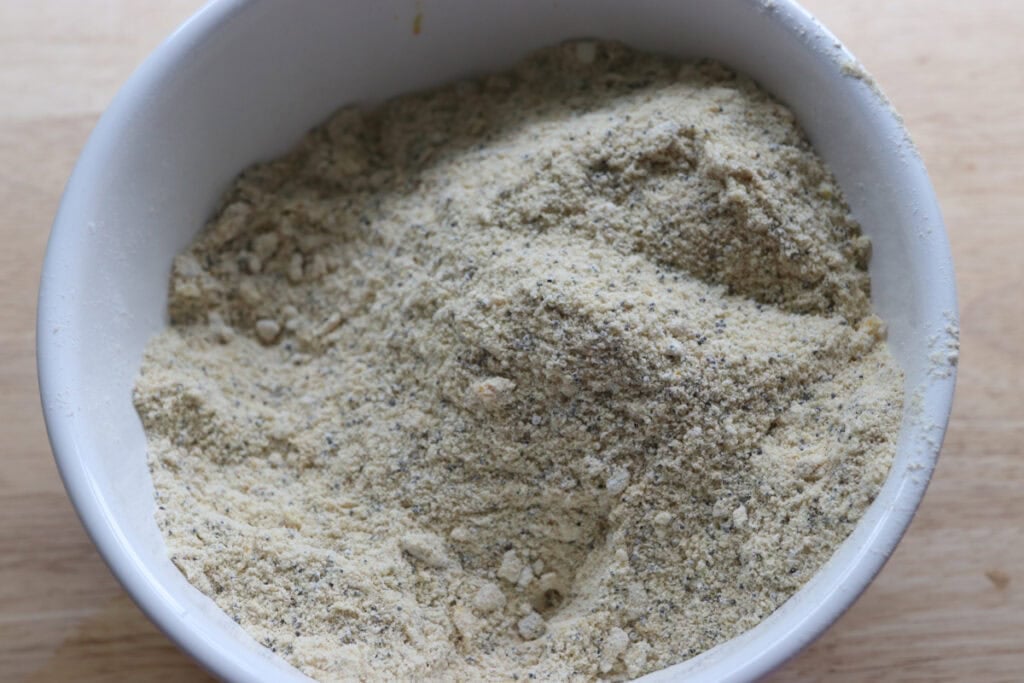
- In a separate bowl, combine the flour, baking powder, salt, orange zest, and poppy seeds. You may need to use your hands to incorporate the zest into the flour better.
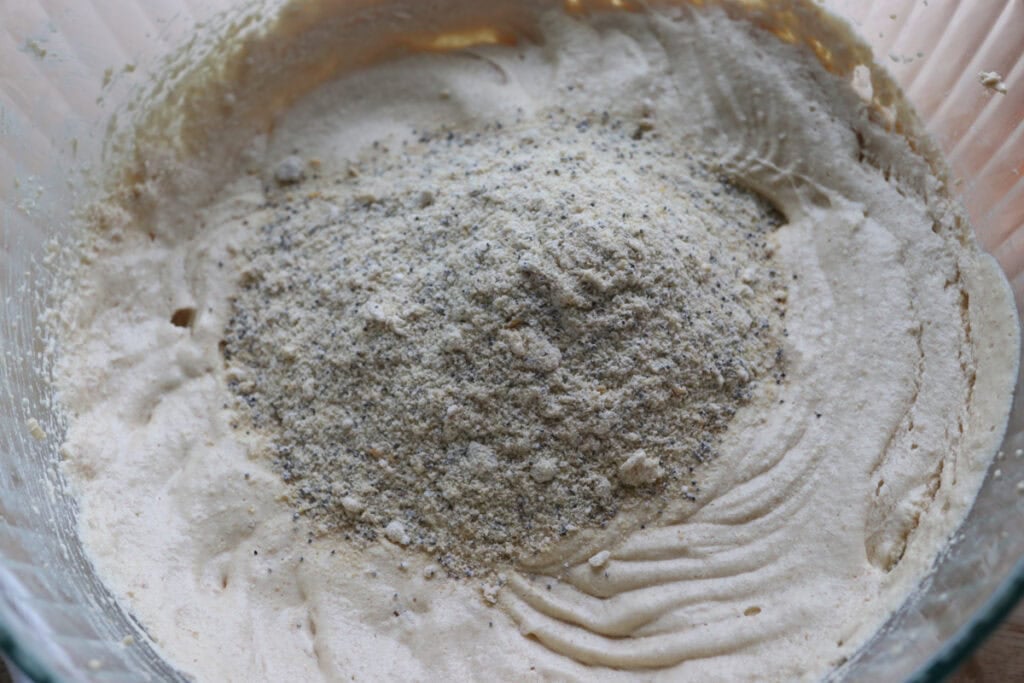
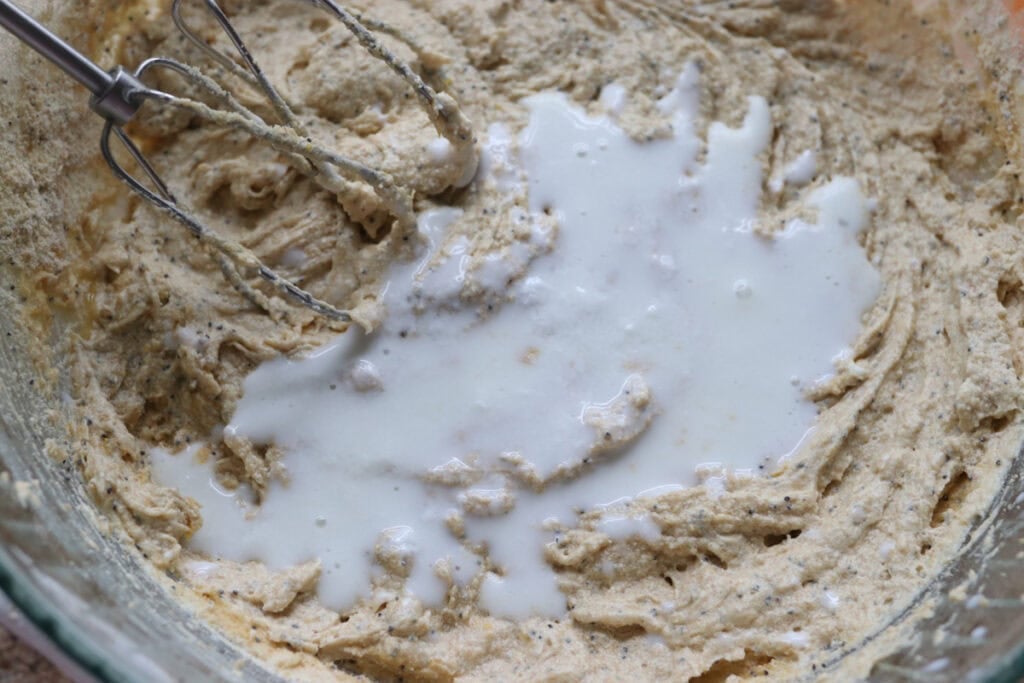
- Add ⅓ of the flour mixture to the batter, followed by half of the buttermilk. Add another ⅓ of the flour, then the remaining buttermilk. Mix between each addition, then add the remaining flour.
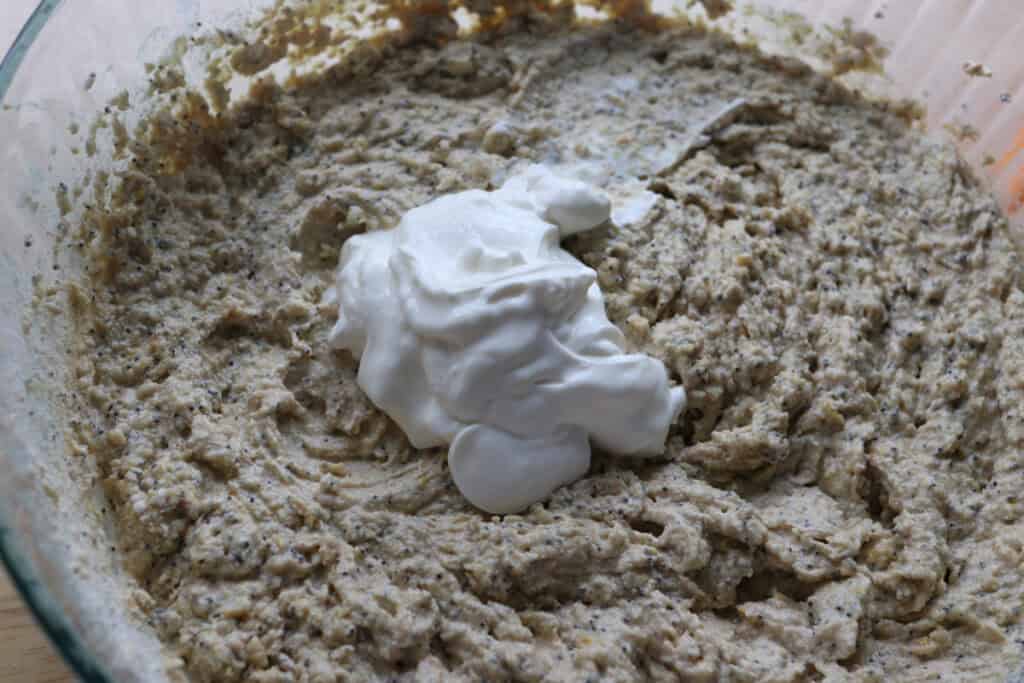
- Fold in the sour cream.
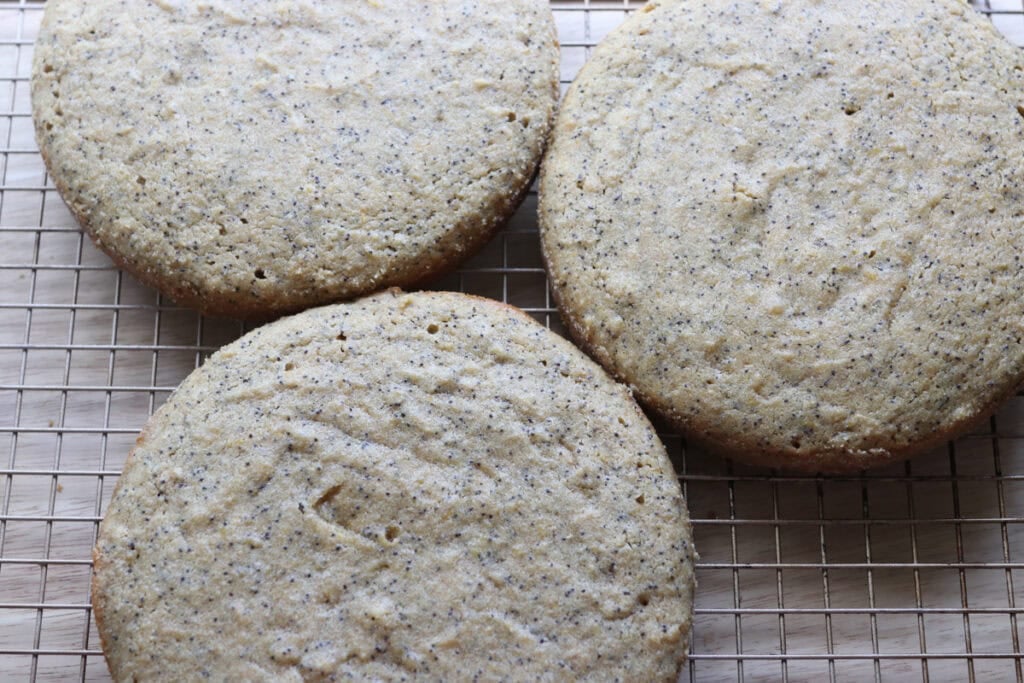
- Evenly pour batter between the cake pans and for for 20-25 minutes, until a toothpick inserted in the middle comes out clean. Let the cakes cool in the pan for 10 minutes, then remove from the pans and let cool on a wire rack completely.
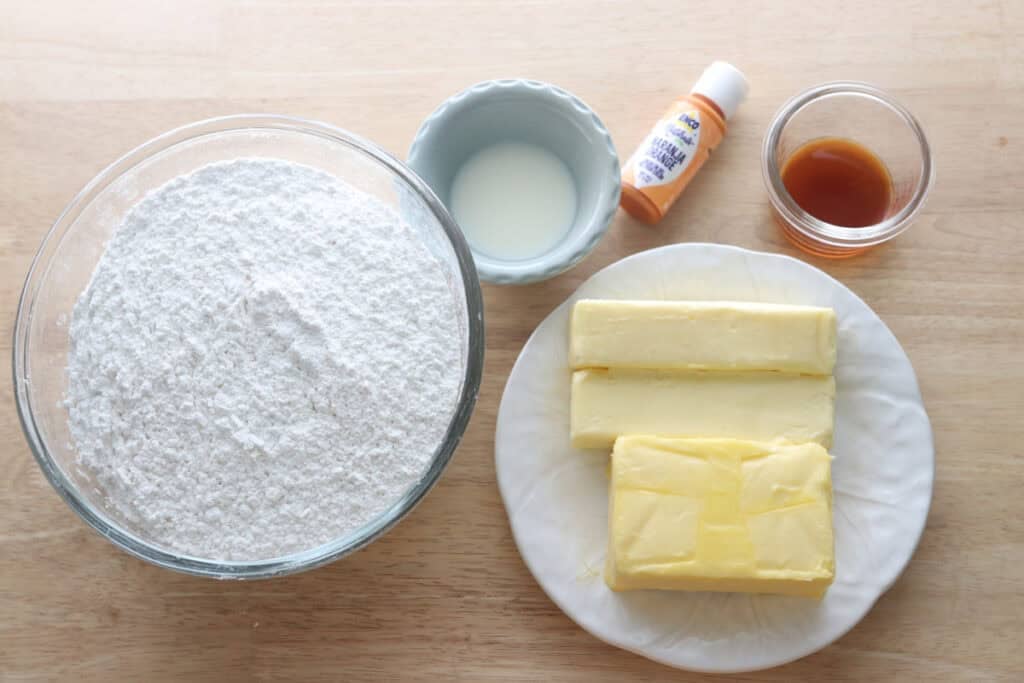
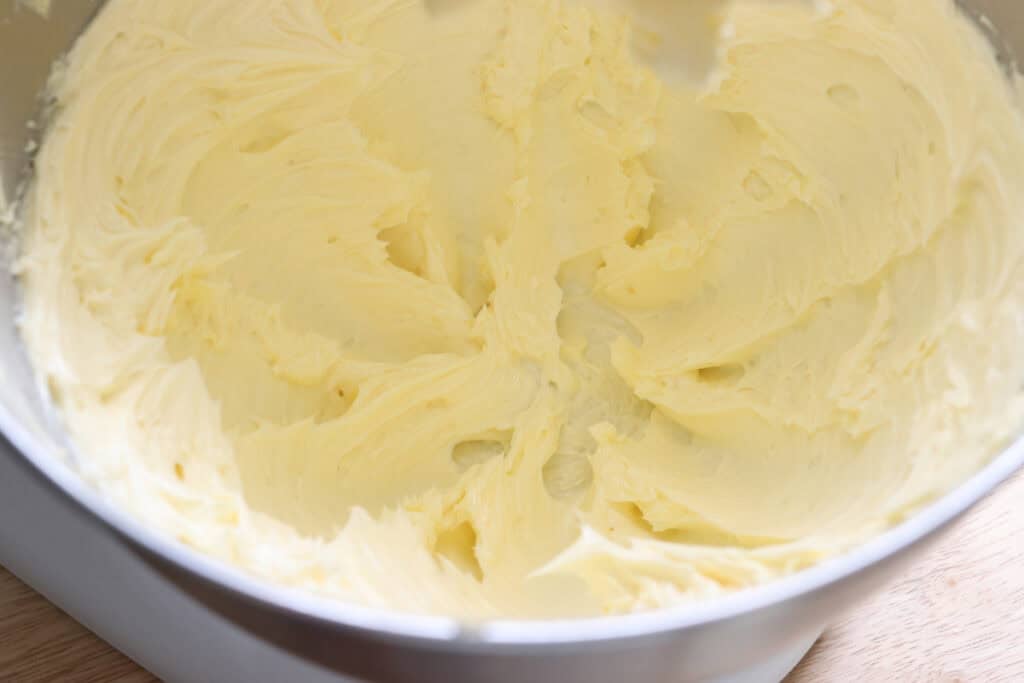
- For the buttercream, beat the butter until smooth.
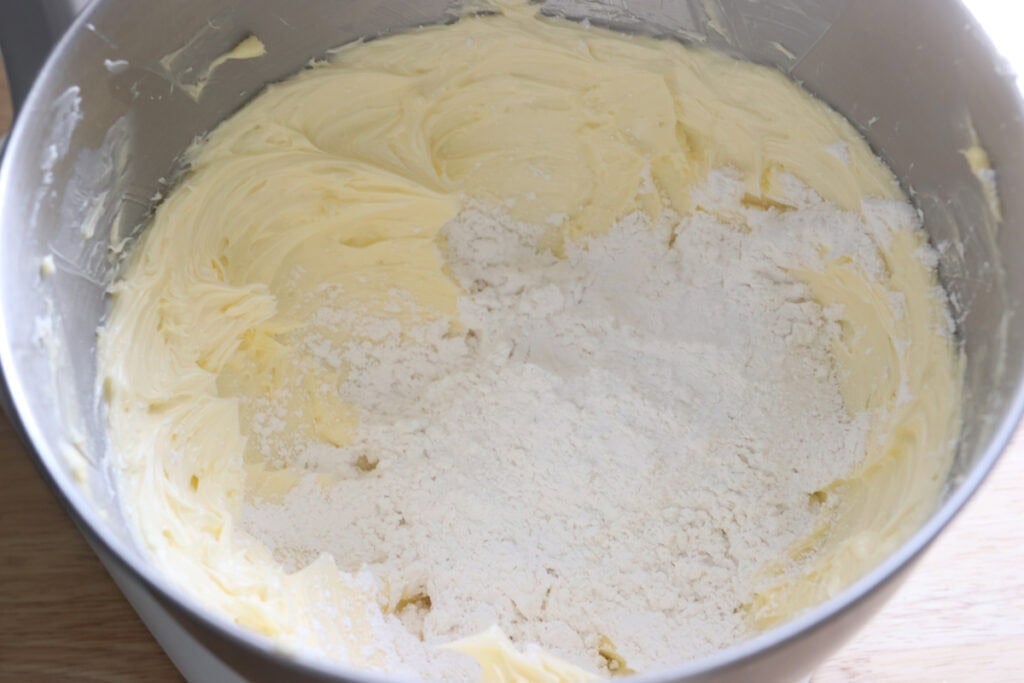
- Sift the powdered sugar then add it to the bowl 1 cup at a time, beating in between each addition.
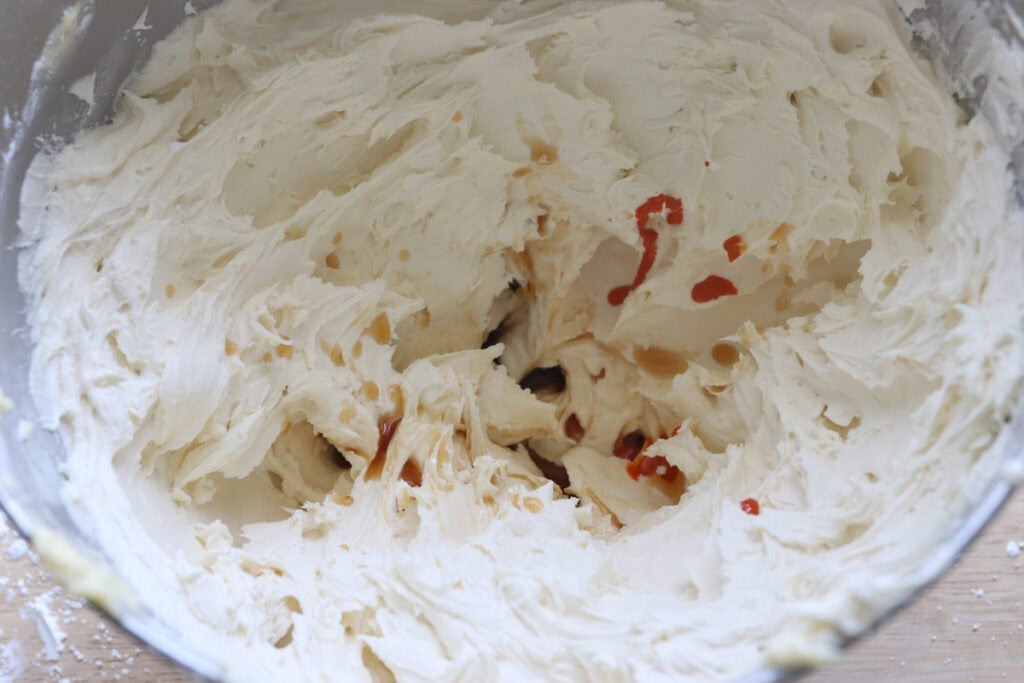
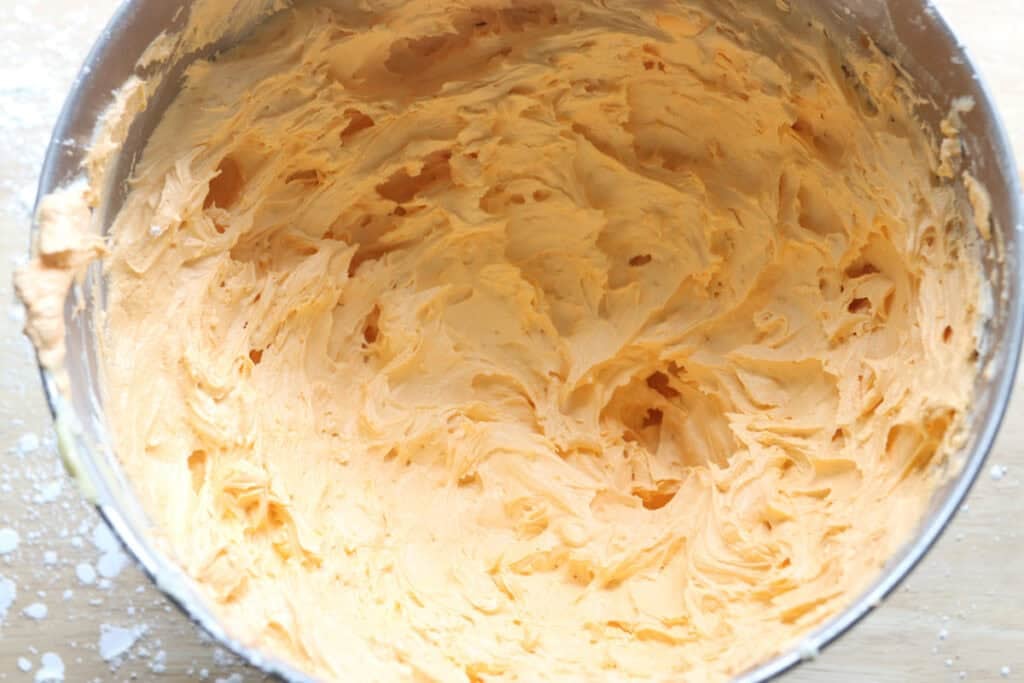
- Add the almond and vanilla extracts and beat until light and fluffy. Add desired amount of orange food coloring and beat until combined.
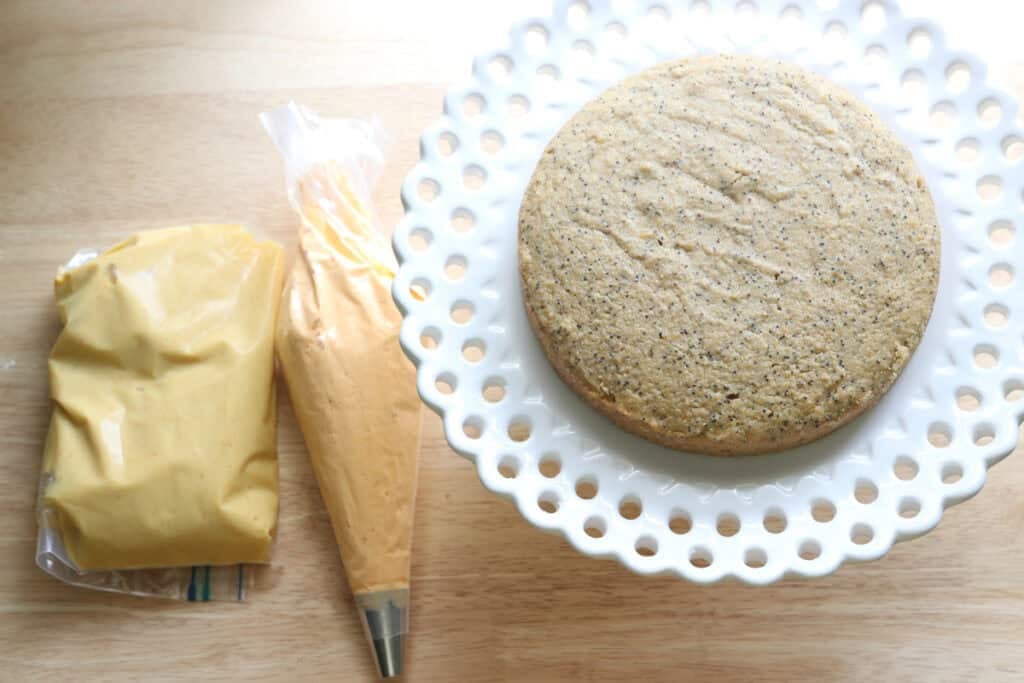
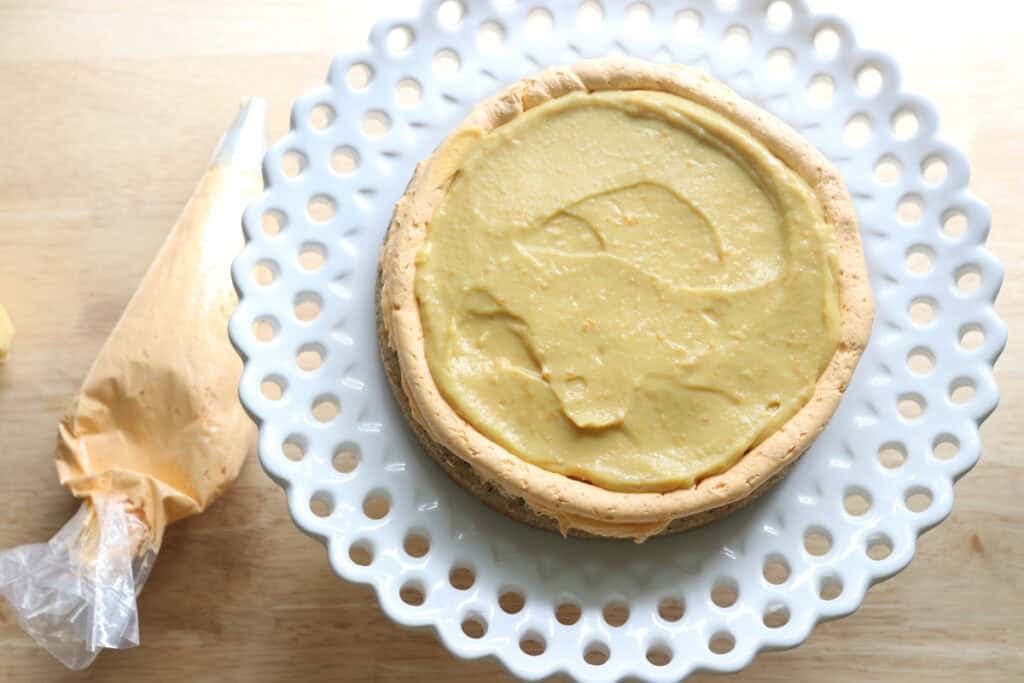
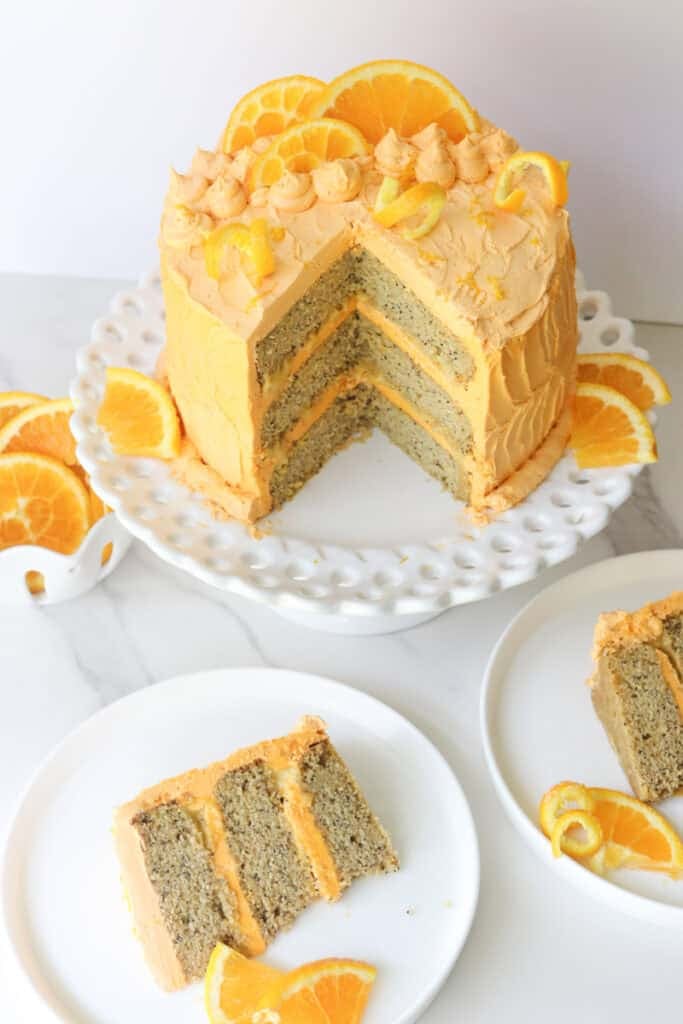
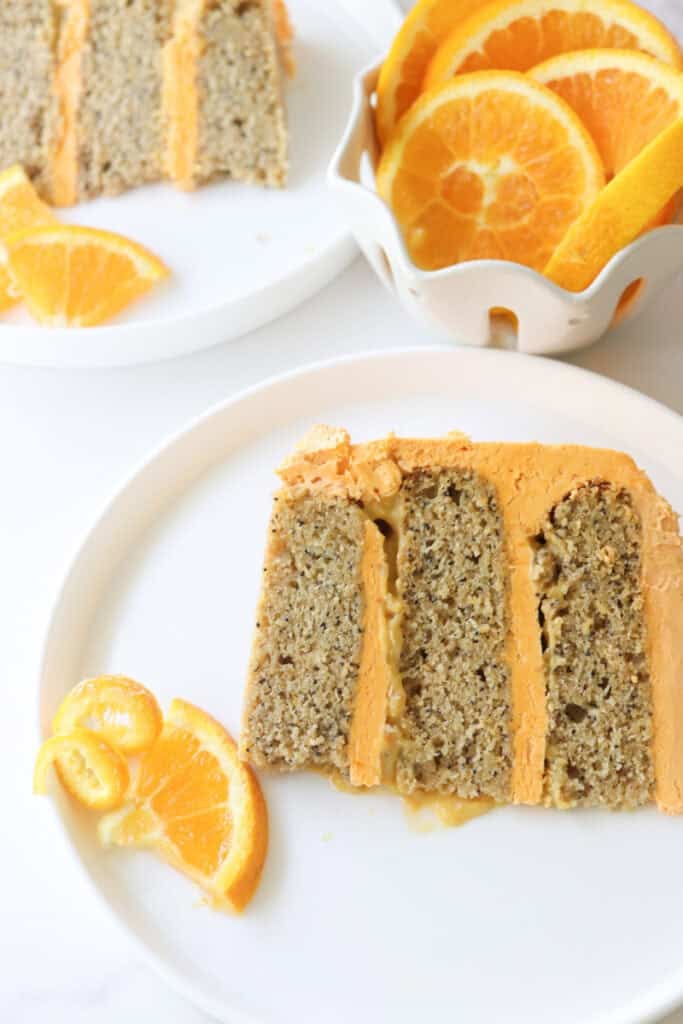
- To assemble the cake, frost the bottom layer with a thin layer of buttercream, then pipe a border of buttercream around the edges. Fill the middle with about ½ cup of the orange curd.
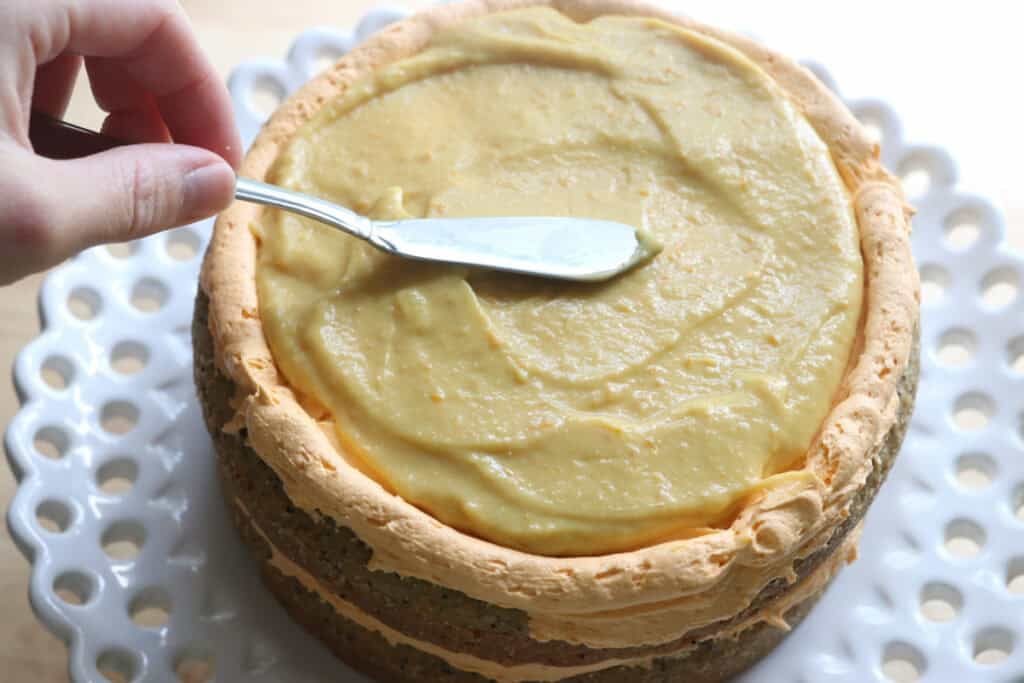
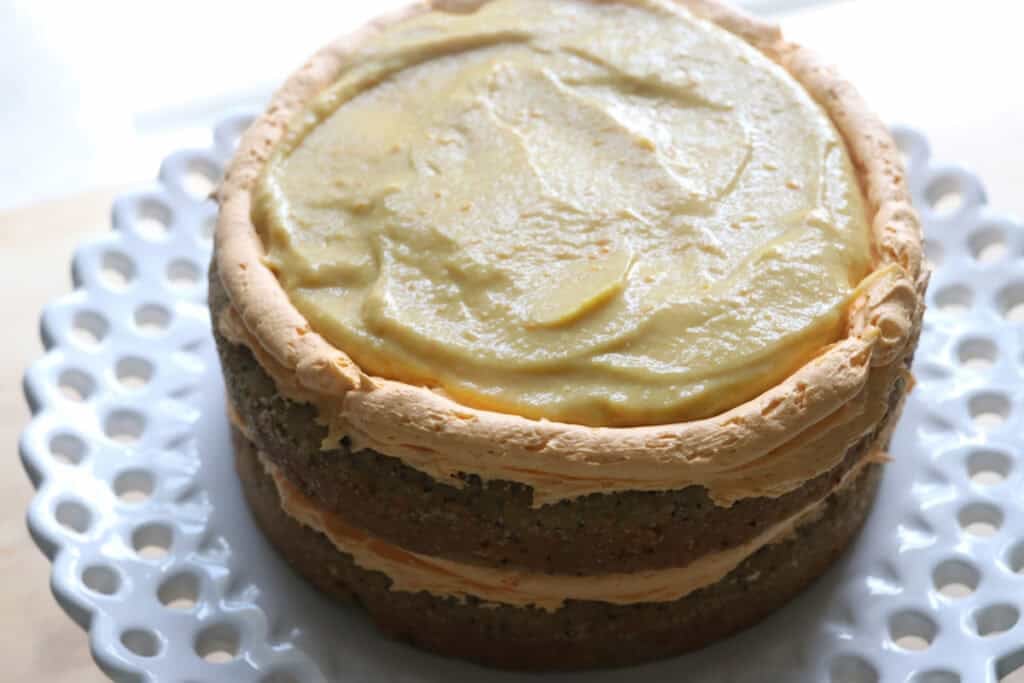
- Place the second layer on top and repeat the above steps. At this point, I would recommend putting it in the freezer for about 20-30 minutes to harden up so the layers don‘t start to fall.
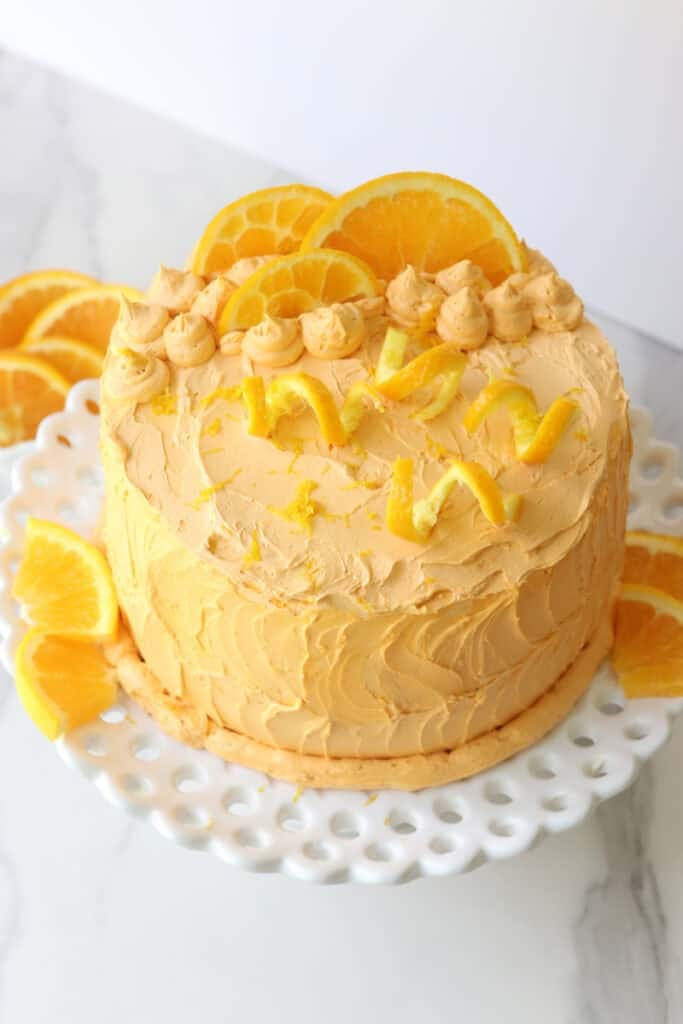
- Put the final layer on and frost the rest of the cake as desired.
Troubleshooting Common Problems with This Recipe
The cake is too dense: You either overmixed the batter or your fresh milled flour was too coarse. Overmixing develops the proteins in the flour and makes it gummy. Mix just until combined. If your flour was coarse, try sifting it next time or adjusting your mill to a finer setting.
The cake is dry: Fresh milled flour absorbs a lot of moisture, and if your flour was particularly thirsty or you overbaked the cake, it’ll be dry. Next time, check for doneness earlier, and make sure you’re measuring your flour correctly. Spooning it into the measuring cup and leveling it off is more accurate than scooping, which can pack in too much flour.
The top cracked: This is usually a sign that your oven was too hot or the leavening was too aggressive. It doesn’t affect the flavor, but if it bothers you, try reducing the oven temperature by 25°F and baking a little longer. You can also cover the crack with glaze or powdered sugar.
The cake stuck to the pan: Fresh milled flour is sticky. Grease your pan well, line it with parchment, and grease the parchment. If it still sticks, let it cool completely and run a thin knife around the edges before turning it out.
The orange flavor is weak: You didn’t use enough zest, or your oranges weren’t very fragrant. Old, dry oranges won’t give you much flavor.
The texture is gritty: Your flour was ground too coarse. Make sure to sift it, or adjust your mill to a finer setting. A little texture is normal with fresh milled flour, but it shouldn’t feel like you’re chewing sand.
Most problems with this cake come down to the flour. Fresh milled flour behaves differently than all-purpose, and it takes a little practice to get a feel for it. Don’t get discouraged if your first attempt isn’t perfect. The second one will be better.
Recipe Variations
- Try lemon instead of orange: Swap the orange juice and zest for lemon zest and juice. You’ll get a brighter, more tart cake. Add an extra tablespoon of sugar to balance the acidity.
- Add a glaze: Mix 1 cup powdered sugar with 2 to 3 tablespoons fresh orange juice until smooth and pourable. Drizzle over the cooled cake layers instead of making the orange curd.
- Cream cheese frosting: Instead of traditional buttercream frosting, add cream cheese to the icing for a subtle tanginess.
- Turn it into muffins: Divide the batter into a greased muffin tin and bake at 350°F for 18 to 22 minutes. You’ll get about 12 muffins
Storage Tips
Room temperature: Wrap the completely cooled cake tightly in plastic wrap or store it in an airtight container. It’ll keep for 3 to 4 days. The flavor actually improves after a day as the orange and almond meld together.
Refrigerator: If your kitchen is warm or humid, refrigerate it. Wrap it well so it doesn’t dry out or pick up fridge smells. It’ll keep for up to a week. Let it come to room temperature before serving, or warm individual slices in the microwave for 10 to 15 seconds.
Freezer: Wrap the cake tightly in plastic wrap, then in aluminum foil. Or slice into pieces and place in a freezer bag.Freeze for up to 3 months. Thaw overnight in the fridge or at room temperature for a few hours. The texture holds up beautifully.
Fresh milled flour cakes don’t have the preservatives that keep store-bought cakes soft for weeks, so eat this one within a few days for the best texture and flavor.
Extra FAQs
Can I use all-purpose flour instead of fresh milled?
You can, but you’ll lose the whole point of the recipe. If you don’t have fresh milled flour, use whole wheat pastry flour. It’s closer in texture and flavor. Regular all-purpose will give you a lighter, less interesting cake.
Can I leave out the almond extract?
You can, but you’ll lose some of the depth and richness that makes this cake special. If you don’t like almond flavor, you could increase the vanilla extract to 1 tablespoon instead.
Can I reduce the sugar?
No, this cake is already low in sugar. Reducing it any more will change the texture.
Why is my cake gummy?
You overmixed the batter or you didn’t let it cool completely before slicing,. Mix gently and be patient.
Can I make this without a stand mixer?
Absolutely. A hand mixer works great. Even a whisk and some arm strength will get you there. You just need to cream the eggs and sugar until they’re thick and pale.
How do I know when it’s done?
A toothpick inserted in the center should come out clean or with just a few moist crumbs. The top should be golden and spring back when lightly pressed. Start checking at 30 minutes.
Can I add chocolate chips?
You can add whatever you want. Fold in ½ cup of dark chocolate chips if that’s your thing. It’ll change the flavor profile, but it won’t hurt the cake.
What if I don’t have poppy seeds?
Leave them out. They add texture and a subtle flavor, but the cake will still be great without them.

Orange Almond Poppy Seed Cake with Fresh Milled Flour
Ingredients
Cake Batter:
- 1 cup softened butter 230 grams
- 1 ¼ cups sugar 250 grams
- 2 tablespoons orange zest
- 6 egg whites
- 2 ¼ teaspoons almond extract
- 1 ¼ cups buttermilk 280 grams
- 3 ¾ cups freshly milled soft white wheat flour finely milled & sifted (431 grams)
- 1 tablespoon baking powder
- 1 teaspoon salt
- 3 ½ tablespoons poppy seeds
- ⅓ cup sour cream 76 grams
Orange Curd:
- ⅓ cup sugar 67 grams
- 1 ½ tablespoons orange zest
- ½ cup fresh orange juice 124 grams
- 3 eggs
- 4 egg yolks
- ¼ cup cold butter 58 grams
Almond Buttercream:
- 2 cups butter 230 grams
- 2 teaspoons vanilla
- 1 ½ teaspoons almond
- 5 ½ cups powdered sugar 550 grams
- Natural orange food coloring
Instructions
- Soak the poppy seeds in water for at least 30 minutes. This will help them not absorb so much liquid from the cake batter.
- Prepare the orange curd by combining the sugar, orange zest and juice into a small sauce pan. Cook over medium-low heat until heated through. Whisk the eggs and egg yolks together, then very slowly pour the eggs into the pan in a small stream while whisking continuously. Make sure you do not add a bunch of eggs at a time or stop whisking. You do not want to scramble the eggs.
- Cook over medium-low heat for about 10 minutes until thickened. Continue whisking.
- Cut the butter into 4 pieces, then remove from the heat and stir in the butter.
- Allow to cool, then place in the fridge to cool and thicken completely.
- Preheat the oven to 325 degrees F. and grease and flour 3 8-inch cake pans.
- In the bowl of a stand mixer, cream the butter and sugar.
- Begin to add the egg whites slowly, mixing in between. Beat for several minutes, until light and fluffy.
- Mill the flour and sift it. You should have 3 3/4 cups after sifting.
- In a separate bowl, combine the flour, baking powder, salt, orange zest, and poppy seeds. You may need to use your hands to incorporate the zest into the flour better.
- Add ⅓ of the flour mixture to the batter, followed by half of the buttermilk. Add another ⅓ of the flour, then the remaining buttermilk. Mix between each addition, then add the remaining flour. Fold in the sour cream.
- Evenly pour batter between the cake pans and for for 20-25 minutes, until a toothpick inserted in the middle comes out clean. Let the cakes cool in the pan for 10 minutes, then remove from the pans and let cool on a wire rack completely.
- For the buttercream, beat the butter until smooth.
- Sift the powdered sugar then add it to the bowl 1 cup at a time, beating in between each addition.
- Add the almond and vanilla extracts and beat until light and fluffy. Add desired amount of orange food coloring and beat until combined.
- To assemble the cake, frost the bottom layer with a thin layer of buttercream, then pipe a border of buttercream around the edges. Fill the middle with about ½ cup of the orange curd.
- Place the second layer on top and repeat the above steps. At this point, I would recommend putting it in the freezer for about 20-30 minutes to harden up so the layers don‘t start to fall.
- Put the final layer on and frost the rest of the cake as desired.