
Homemade Freshly Milled English Muffin Toasting Bread
This post may contain affiliate links. Please read our Disclosure Policy.
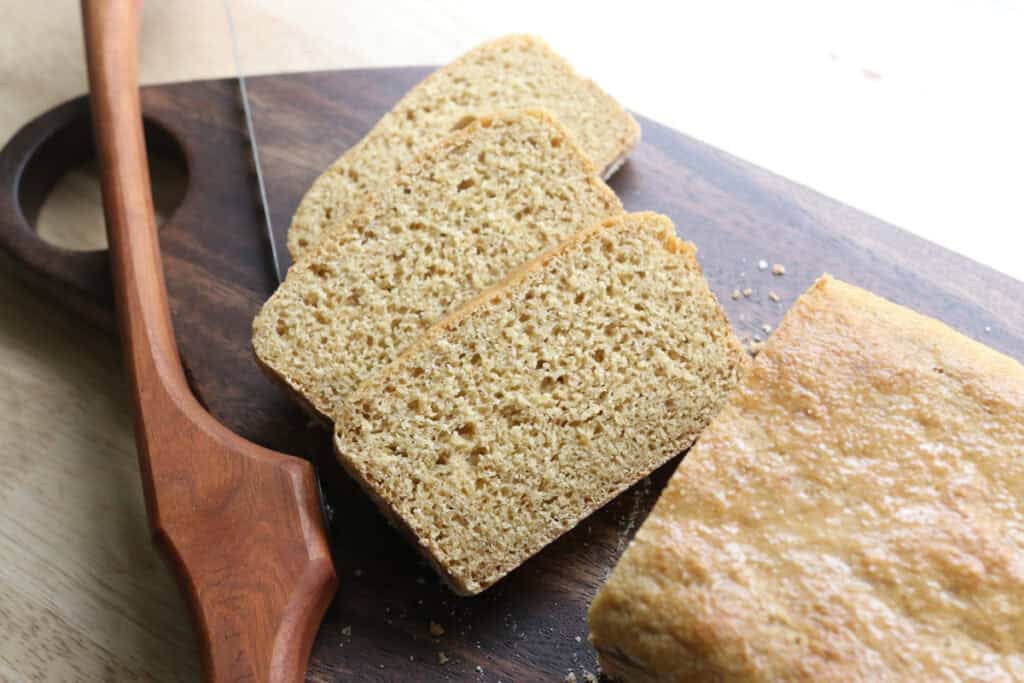
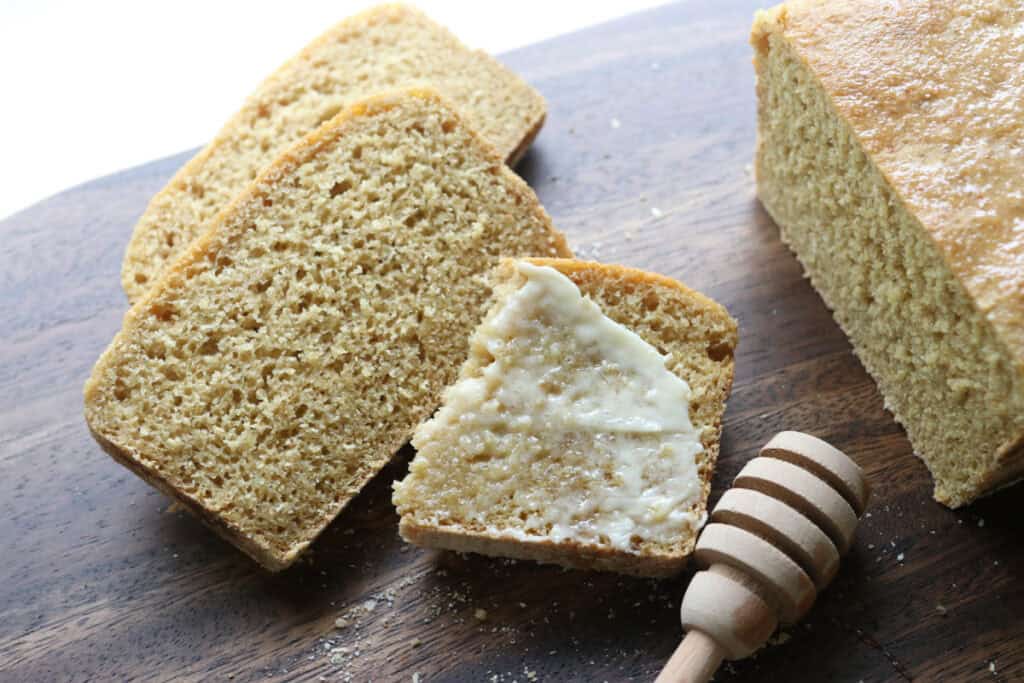
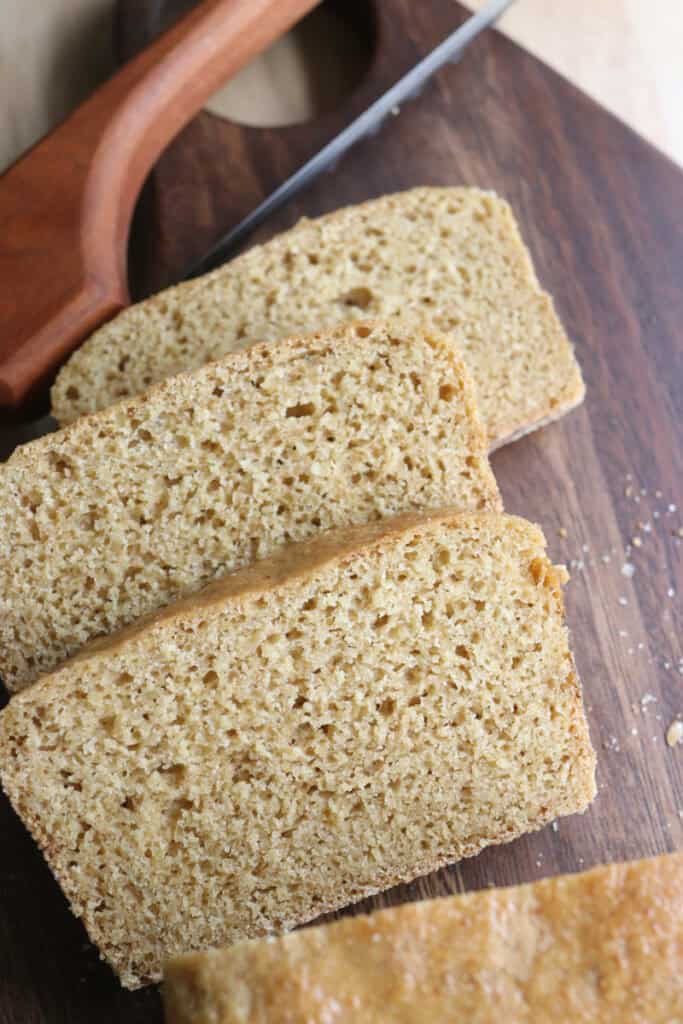
You know that moment when you split an English muffin and the inside looks like a delicious maze of crags and valleys just waiting for butter to pool into every crevice? This bread does that, but better. It is softer, easier to slice, and when you toast it, the edges get shatteringly crisp while the inside stays tender and almost custardy. The freshly milled flour brings a nutty, slightly sweet depth that store-bought whole wheat loaves wish they could touch. This is not a fussy artisan project that requires you to be a seasoned baker. The dough comes together in one bowl, rises once, and bakes into a golden loaf that smells like a bakery opened inside your kitchen. If you have been milling your own flour and wondering what to make that actually shows off what fresh grains can do, this is it.
What Makes This Recipe Great
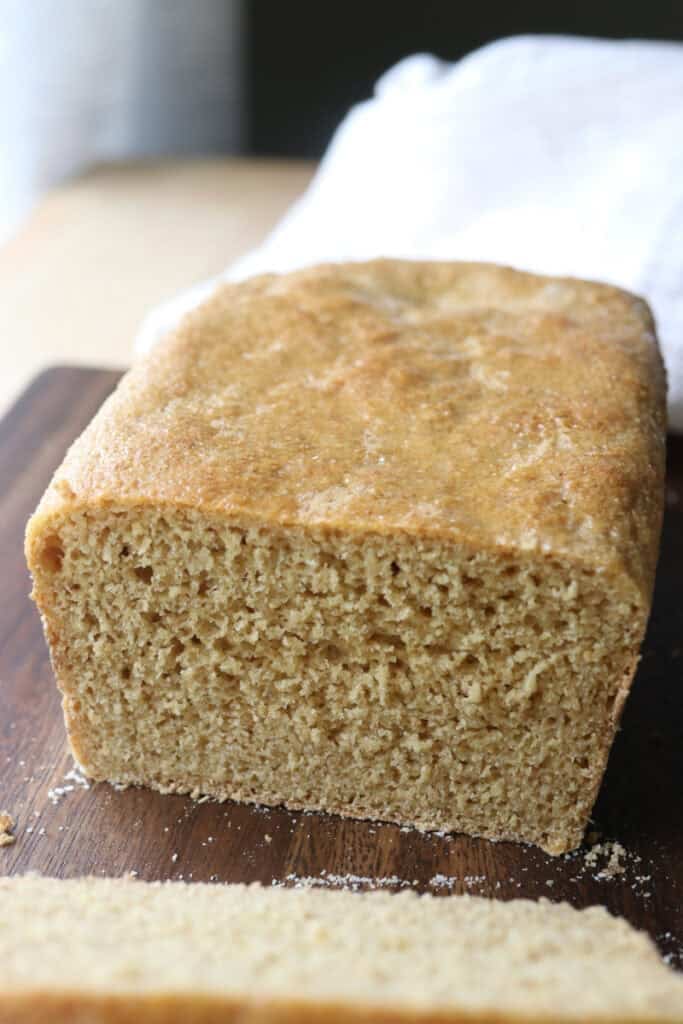
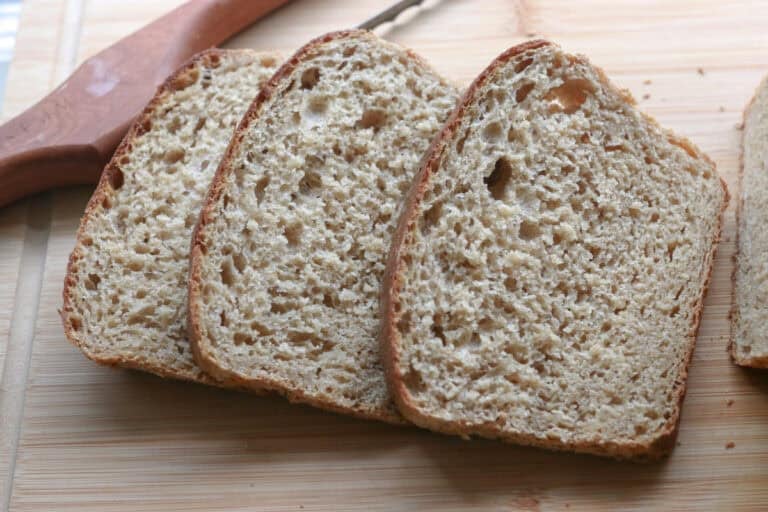
This bread hits different because it borrows the open crumb structure of homemade English muffins but skips all the griddle flipping and ring wrangling. You get that perfect texture, those buttery nooks, and the satisfying chew, but in a loaf you can slice thick and toast hard. Freshly milled flour is the secret MVP here. It adds a warm, almost earthy sweetness and a nutty flavor you cannot replicate with bagged flour that has been sitting on a shelf for months.
The dough itself is forgiving. It is wetter than most bread doughs, which means you are not kneading for twenty minutes or worrying about whether you developed enough gluten. The hydration does the work for you, creating steam pockets as it bakes that turn into those iconic craggy holes. This also means the crumb stays moist for days, which is rare for whole grain breads that usually go stale by lunchtime the next day.
And because it is a loaf, you control the thickness of every slice. Want doorstop-thick slices that can handle a pile of scrambled eggs or a fried egg? Done. Prefer thin, delicate pieces for breakfast sandwiches or eggs benedict? Also done. The basic ingredients and flexibility alone makes this worth baking on repeat, and once you taste how much better fresh milled grains perform in a recipe like this, you will not want to go back.
For more freshly milled recipes try these Mango Cheesecake Bars with Freshly Milled Graham Cracker Crust or these Lemon Blueberry Pancake Bites!
Overview of Ingredients
Freshly milled whole wheat flour: This is the backbone of the bread and the reason the flavor is so much better than anything you can buy. Milling your own flour means the bran, germ, and endosperm are all intact and fresh, which translates to a nutty, almost sweet flavor and a softer crumb. Hard white wheat berries will give you a milder, lighter loaf, while hard red wheat berries add more robust, earthy notes. If you are new to milling, start with hard white wheat. You can substitute store-bought whole wheat flour, but try to find something labeled “100% whole grain” and as recently milled as possible.
Instant yeast: This is what makes the dough rise and creates all those airy pockets you want in English muffin bread. Instant yeast can be mixed directly into the dry ingredients, which is why this recipe is so fast. Active dry yeast will work too, but you will need to dissolve it in the warm milk first and wait about five minutes for it to foam before adding it to the flour. If your yeast is old or stored improperly, the dough will not rise well, so make sure your yeast is fresh and kept in the fridge or freezer.
Whole milk: Milk adds richness, a tender crumb, and a slight sweetness that water cannot replicate. The fat in whole milk also helps the bread stay soft for longer. You can use 2% milk in a pinch, but the texture will be slightly less plush. Non-dairy milk like oat or almond milk works, but choose unsweetened and unflavored versions, and expect a slightly different flavor. The milk needs to be warm but not hot. Too cool and the yeast will not activate; too hot and you will kill it. Aim for the temperature of a warm bath.
Honey: This feeds the yeast and adds a subtle sweetness that balances the earthy whole wheat flavor. Honey also helps the crust brown beautifully. You can swap it for maple syrup or even granulated sugar, but honey gives the best flavor. If you are avoiding sweeteners, you can leave it out, but the rise may be slightly slower and the crust will be paler.
Olive oil: Oil makes the crumb soft and adds a rich, slightly savory flavor. You can use avocado oil or melted coconut oil instead, but the flavor will change. Avocado oil won’t change it much, and coconut oil will add a hint of tropical sweetness.
Salt: Salt controls the yeast, strengthens the gluten, and makes sure the bread actually tastes like something. Do not reduce it or skip it.
Baking soda: This is a tiny but important ingredient. It reacts with the acidity in the dough and helps create a more open crumb with those signature nooks and crannies. It also gives the crust a slightly darker color. You can leave it out if you do not have it, but the texture will not be quite as craggy.
Cornmeal (for dusting the pan): This is optional but traditional. It adds a little crunch to the bottom crust and keeps the loaf from sticking. You can use flour instead, but cornmeal gives that classic English muffin feel.
Tips for Success
- Weigh your flour. Milled flour can be fluffier or denser depending on your mill settings, and scooping by volume can lead to a dough that is too dry or too wet. A scale keeps everything consistent, and you will get better results every single time.
- Do not overmix the dough. This is a no-knead bread, and the texture depends on keeping the dough shaggy and slightly rough. Stir just until the flour is hydrated and everything is combined. Overmixing will make the crumb tighter and less craggy.
- Let the dough rise in a warm or draft-free place. Yeast loves warmth, and a cozy environment will speed up the rise and make the dough lighter. If your kitchen is cold, turn your oven on for one minute, turn it off, and let the dough rise inside with the door cracked. Just make sure the oven is not hot or you will kill the yeast.
- Check for doneness with a thermometer. The loaf should register around 190°F to 200°F in the center when it is fully baked. If you do not have a thermometer, tap the bottom of the loaf. It should sound hollow. If it sounds dull or heavy, give it another five minutes.
- Cool completely before slicing. This is the hardest part, but it matters. If you slice into the loaf while it is still hot, the crumb will be gummy and the structure will collapse. Let it cool on a wire rack for at least 30 minutes, or better yet, an hour. The texture will firm up and slice cleanly.
Helpful Tools & Supplies
Whether you’re just dipping your toes into the world of fresh milled flour or you’re a seasoned home baker, I’ve taken the guesswork out of what you truly need. All of these tools and resources are available in my shop, designed to help your journey be smooth and nourishing:
Grain Mills
- NutriMill Classic Grain Mill – My go-to for fine, consistent milling; perfect for sandwich breads and everyday baking.
- NutriMill Harvest Grain Mill – Stone-ground elegance: this model delivers whole-grain flavor with a beautiful appearance.
Mixers
- Ankarsrum Mixer – A powerhouse kitchen companion with multiple speeds and attachments—ideal for kneading bread dough effortlessly.
Baking & Bread Tools
- Bread Bow Knife – Artisan-made with a high-carbon steel blade and cherry wood handle—this knife slices loaves with ease.
- Sourdough Essentials Kit With Starter – Complete starter kit that includes dehydrated sourdough starter, banneton baskets, a dough whisk, scoring lame, and more.
Cookbooks & eBook Bundles
- Everyday Whole Grains Vol. 1 & 2 (printed & digital) – Packed with 70+ recipes built around fresh milled flour, from breads to snacks and desserts.
- The Fresh Breads Bundle – A comprehensive set including eBooks like The Perfect Loaf, the Cookie Jar, bulk baking guides, and a sourdough mini‑course—all centered on fresh milled flour.
- Freshly Milled Made Simple Guide – A video-based guide that walks you through milling and baking basics, making the process feel easy and approachable.
Specialty Items
- Dehydrated Sourdough Starter – Just add water and flour to rehydrate this starter—perfect for bakers without an active sourdough culture.
- I Knead Fresh Flour Mug – A charming, handmade 12 oz ceramic mug—great for coffee breaks during dough rising!
Why These Are Worth It
Every tool in this collection has been personally vetted to support you in baking with fresh milled flour. From the grain mills that make your flour, to mixers that knead dough, to resources that teach you every step—it’s all here to make sure your homemade bread journey is joyful, nourishing, and successful.
➡️ Explore all of these items and more in the Generation Acres Farm Shop — your one-stop spot for fresh milled flour baking essentials.
Equipment
- Kitchen Scale
- Cooling Rack
- Measuring Cups and Spoons
- Large Mixing Bowl
- Bread Pan (8.5 x 4.5″)
How to Make Homemade Freshly Milled English Muffin Toasting Bread
Ingredients:
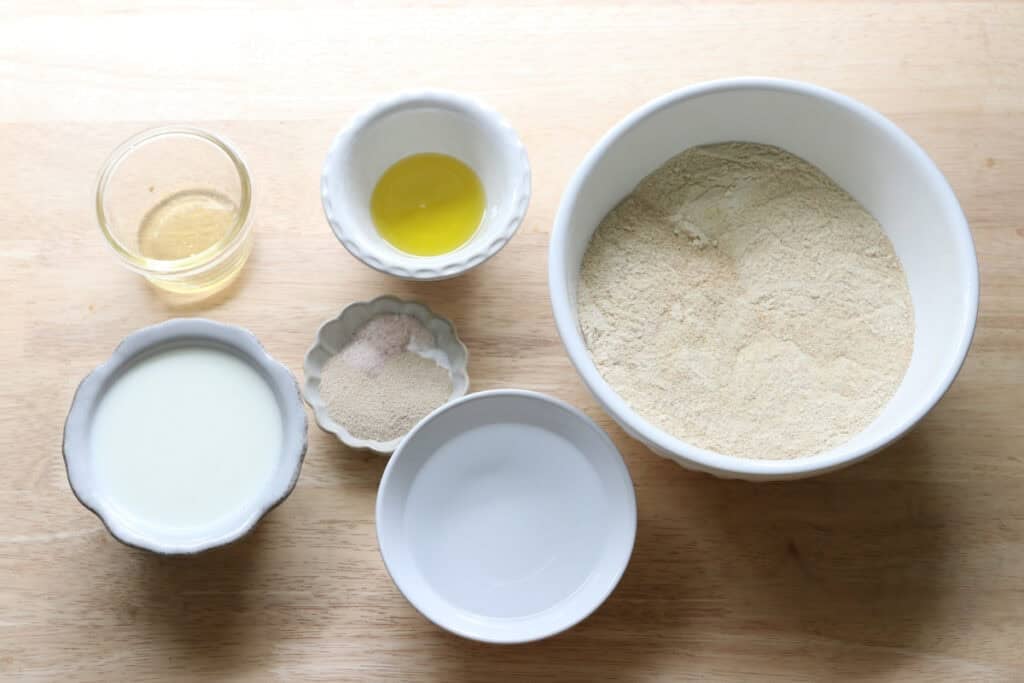
- 2 ¾ cups freshly milled hard white wheat flour, finely milled (358 grams)
- 1 ½ teaspoons salt
- ¼ teaspoon baking soda
- 1 tablespoon yeast
- ¾ cup milk (180 grams)
- ½ cup water (118 grams)
- 2 tablespoons olive oil
- 1 tablespoon honey
- Cornmeal, for dusting
Directions:
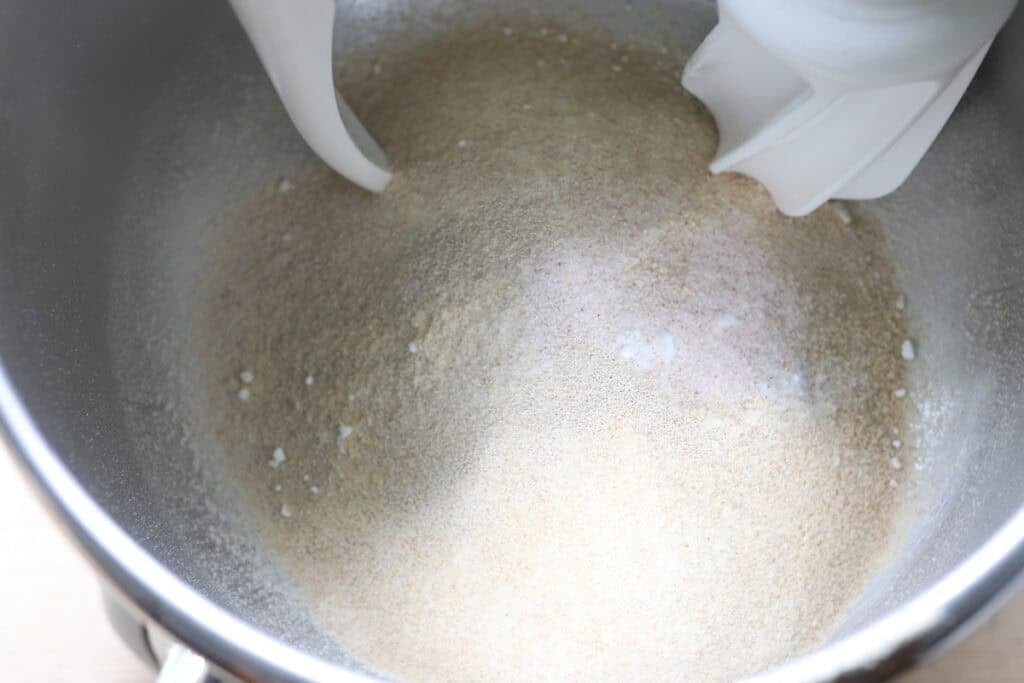
- In the bowl of a stand mixer, combine the dry ingredients.
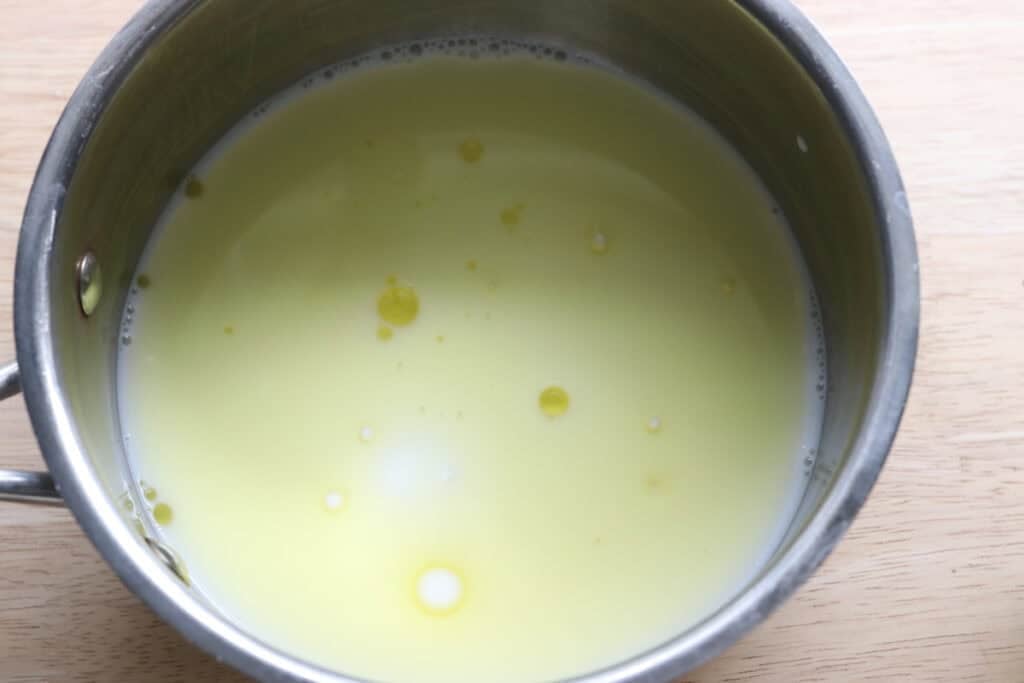
- In a saucepan, heat the milk, water, oil, and honey to 130 degrees F.
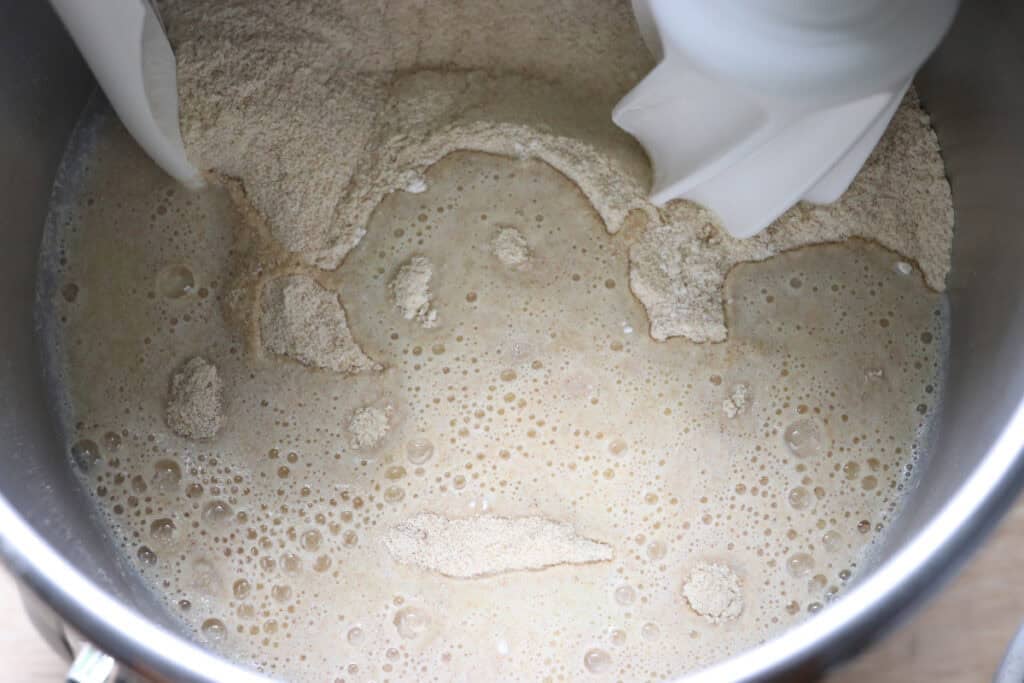
- Add the wet ingredients to the dry ingredients and combine.
- Let rest for 10 minutes, then mix the dough for 3 minutes on medium speed. It will be a sticky dough, but not super wet.
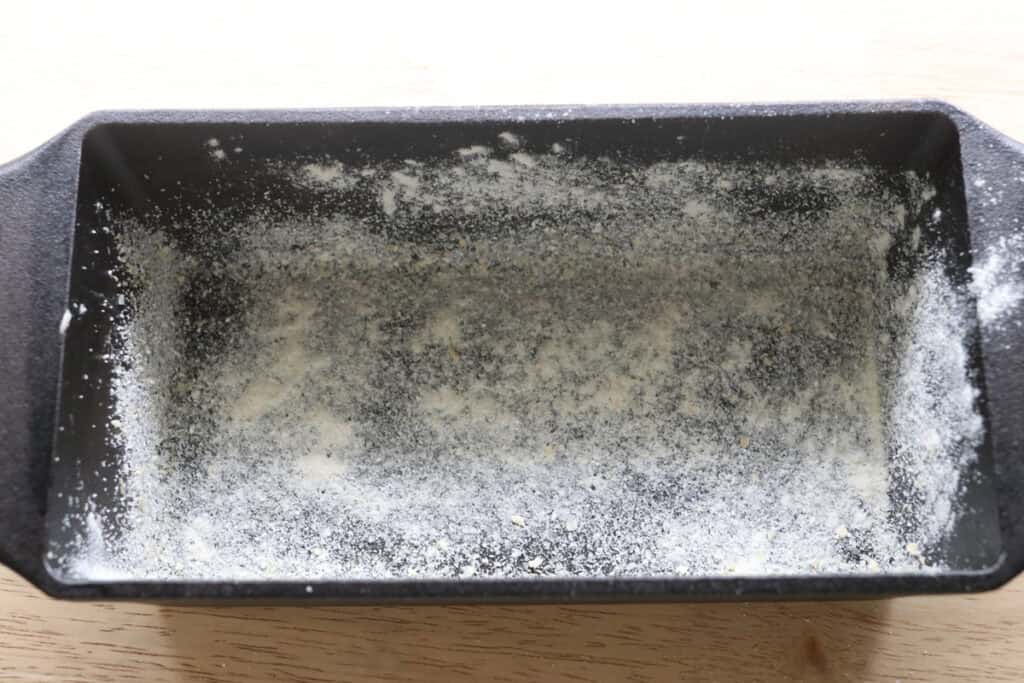
- Grease an 8.5 x 4.5 inch loaf pan with butter and dust with cornmeal.
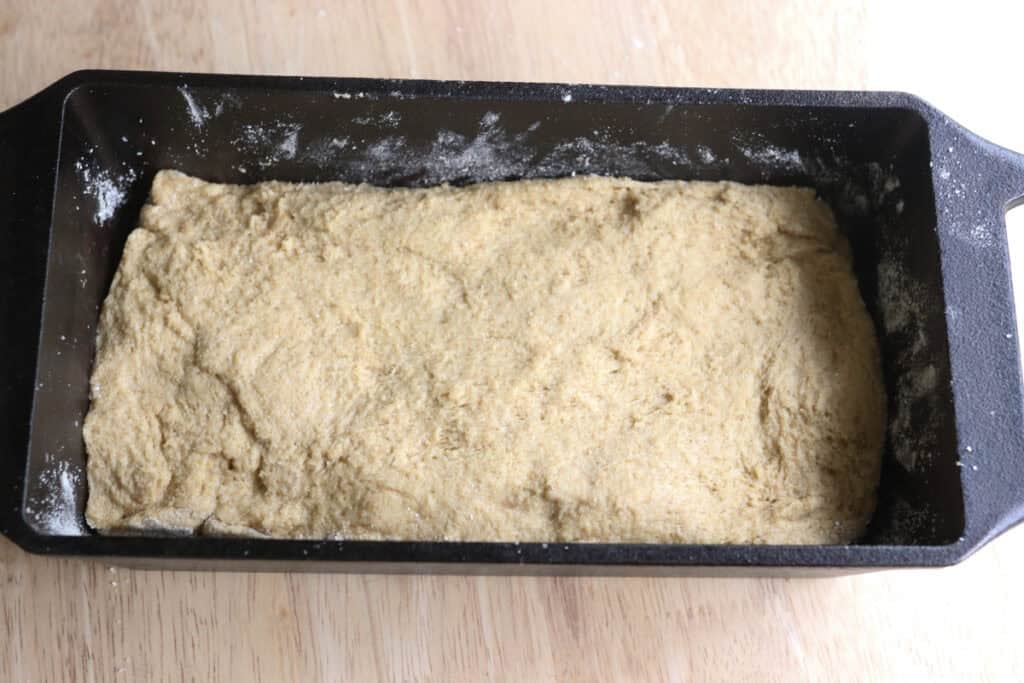
- Scoop the bread dough into the pan, cover, and let rise in a warm place for 45 minutes to 1 hour, until doubled in size.
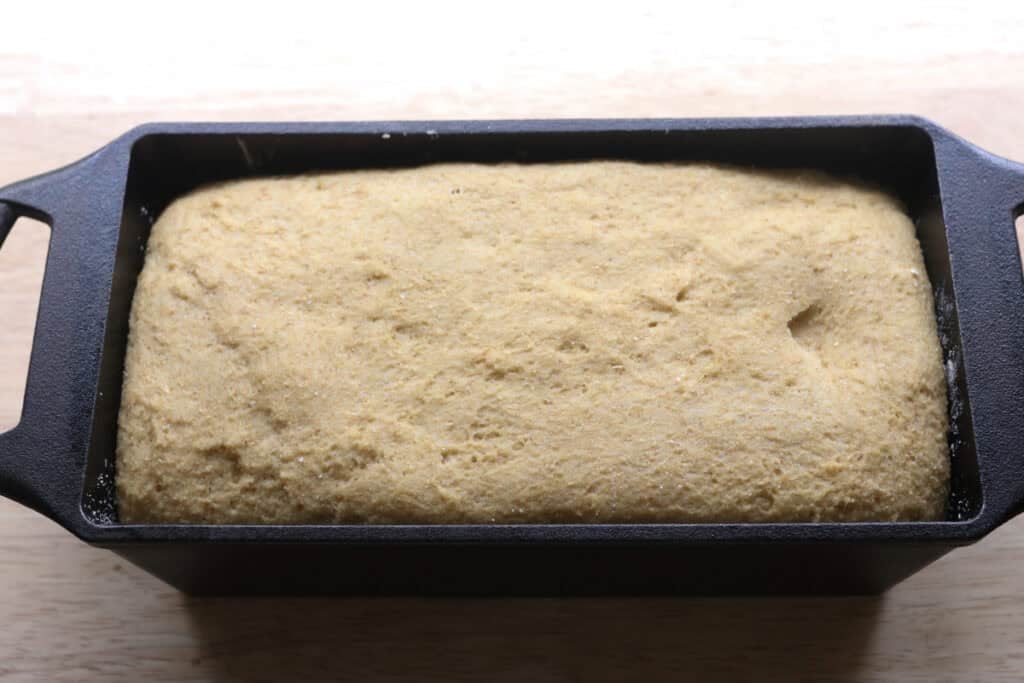
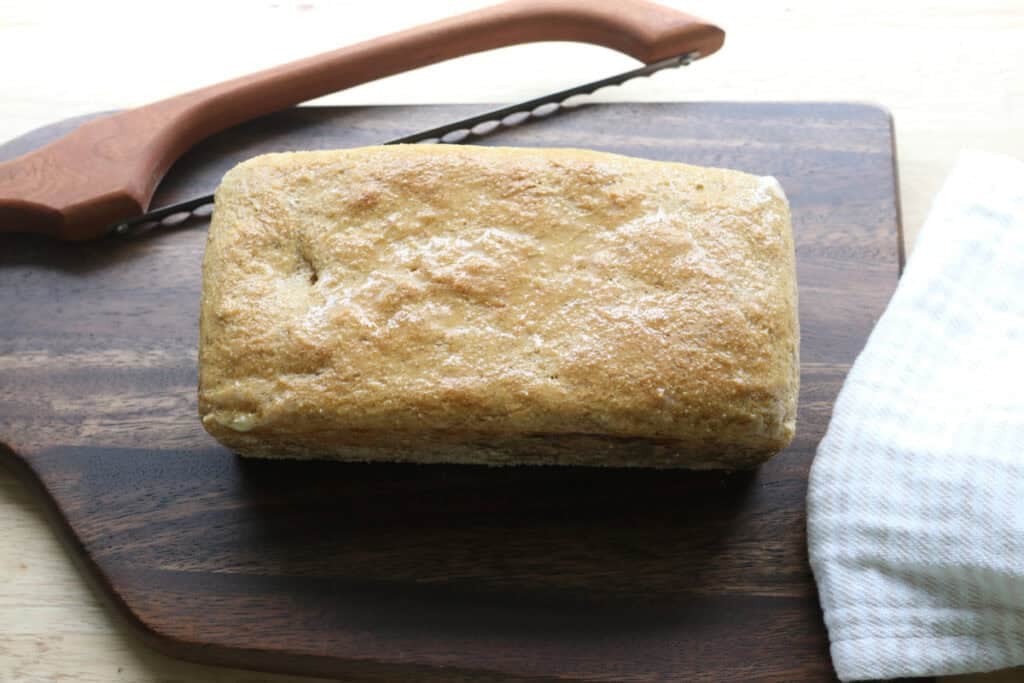
- Preheat the oven to 400 degrees F. and bake for 23-28 minutes until golden brown, or until the internal temperature reaches 190 degrees F.
Troubleshooting Common Problems with This Recipe
If your dough did not rise, the yeast is probably the culprit. Check the expiration date and make sure you stored it properly in the fridge or freezer. Also double-check the milk temperature. If it was too hot (over 130°F), it killed the yeast. If it was too cool (under 100°F), the yeast stayed dormant. Next time, use a thermometer and aim for 120-130°F. If your kitchen is very cold, the dough will rise slowly or not at all. Move it to a warmer spot, like near a sunny window or inside a turned-off oven with the light on.
Dense, heavy bread usually means too much flour or not enough rise time. If you scooped the flour instead of weighing it, you likely added too much. The dough should be sticky and a little shaggy, not stiff. If it felt dry when you mixed it, add a tablespoon or two of water next time. Also make sure you gave the dough enough time to rise. It should double in size during the first rise and the top of the dough should be just under or at the top rim of the pan.
If the crust is too dark or burnt, your oven might be running hot, or you used a dark metal pan that absorbs more heat. Try lowering the oven temperature by 25°F and checking the bread a few minutes earlier. You can also tent the loaf with foil halfway through baking to prevent over-browning. On the flip side, if the crust is pale and soft, the oven was not hot enough, or the loaf did not bake long enough. Make sure your oven is fully preheated, and use a thermometer to confirm the internal temperature hits at least 190°F.
A gummy or underbaked center means the loaf needed more time in the oven. Even if the crust looks perfect, the inside might still be raw. Always use a thermometer to check the internal temperature, and if it reads below 190°F, put it back in for another five to ten minutes. Slicing too early can also make the crumb seem gummy, so let it cool completely before you cut into it.
If the loaf did not have those signature nooks and crannies, the dough was probably not wet enough, or you overmixed it. This English muffin bread recipe is a high hydration dough and needs a light hand when stirring. Next time, make sure the dough looks shaggy and sticky, not smooth and tight. Also check that you added the baking soda, which helps create those open pockets.
Recipe Variations
Add seeds or grains for texture. Stir in a handful of sunflower seeds, flax seeds, or rolled oats during the mixing stage for extra crunch and nutrition. Toasting the seeds first in a dry pan will intensify their flavor. Do not add more than 1/4 cup or the dough will get too heavy.
- Turn it into cinnamon raisin bread. Add 1 tablespoon of cinnamon and 1/2 cup of raisins to the dough when you mix it. You can also swirl in a cinnamon-sugar mixture after the first rise by rolling the dough into a rectangle, sprinkling it with cinnamon and sugar, rolling it up, and placing it in the pan seam-side down.
- Make it dairy-free. Swap the whole milk for unsweetened oat milk or almond milk. The flavor will shift slightly, but the texture will still be soft and tender.
Storage Tips
Once the bread is completely cool, store it in an airtight container or bag at room temperature for up to three days. The crust will soften slightly, but the crumb stays moist and soft. If you want to keep the crust a little crisp, wrap the loaf loosely in a clean kitchen towel instead of sealing it in plastic. Just know it will dry out faster this way, so only do this if you plan to eat it within a day or two.
For longer storage, slice the loaf and freeze it in a resealable freezer bag with as much air pressed out as possible. The slices will stay fresh for up to three months, and you can pop them straight into the toaster from frozen. This is honestly the best way to store this bread because it toasts up perfectly without any thawing time, and you always have fresh toast ready to go.
If you need to refresh a slice that has gone a little stale, mist it lightly with water and toast it on medium heat. The moisture will steam the inside while the outside crisps up, and it will taste almost as good as the day you baked it. Do not microwave it unless you want rubbery bread.
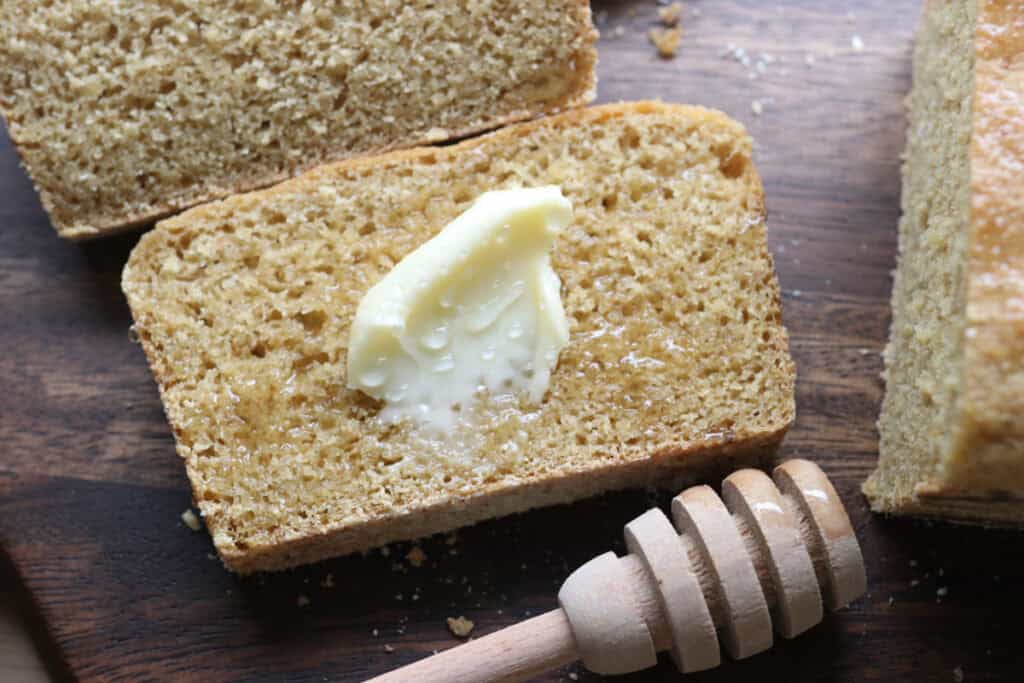
This bread was made for mornings when you want something better than average, like avocado toast. Toasted English muffin bread makes you slow down, actually taste your breakfast, and feel like you did something right.
It is not complicated, and it does not need to be. The freshly milled flour does most of the heavy lifting, and the dough itself is forgiving and fast. What you get is a loaf that toasts up with crispy edges, a tender middle, and enough flavor that butter is optional but highly recommended.
Extra FAQs
Can I make this bread without a grain mill?
Yes. Use store-bought whole wheat flour instead, but look for something labeled “stone ground” or “100% whole grain” and as fresh as possible. The flavor will not be quite as vibrant, but the texture and structure will still be great. If you can find flour from a local mill or a health food store that grinds in small batches, that is your best bet for getting close to the freshly milled flavor.
Why is my dough so sticky?
That is exactly how it should be. English muffin bread has a higher hydration than most bread doughs, which is what creates that open, craggy crumb. Do not add more flour to make it easier to handle. Just stir it until combined, and let the rise time do the work. If the dough is so wet it is soup-like, then you may have measured the flour incorrectly or added too much liquid. But sticky and shaggy is the goal.
Can I bake this in a different size pan?
You can, but the baking time will change. An 8×4 inch pan will give you a taller loaf that may need an extra five to ten minutes in the oven. A wider, shallower pan will bake faster, so start checking around the 25-minute mark. Use a thermometer to make sure the center reaches 190°F to 200°F no matter what size pan you use.
Do I have to use honey?
No, but it does feed the yeast and adds a subtle sweetness that balances the whole wheat flavor. You can swap it for maple syrup, agave, or granulated sugar. If you leave it out entirely, the bread will still rise, but the crust may be paler and the rise might be slightly slower.
How do I know when the bread is done?
The most reliable way is to use an instant-read thermometer. Insert it into the center of the loaf, and it should read between 190°F and 200°F. If you do not have a thermometer, tap the bottom of the loaf. It should sound hollow, not dull or heavy. If it sounds dense, put it back in the oven for another five minutes and check again.
Can I add mix-ins like cheese or herbs?
Absolutely. Stir in shredded cheddar, grated Parmesan, or chopped fresh herbs like rosemary or thyme during the mixing stage. Keep mix-ins to about 1/2 cup total so the dough does not get too heavy. Cheese will make the bread more savory and rich, and herbs will add a fragrant, almost focaccia-like quality.
Why does my bread have a dense bottom and airy top?
This usually means the dough did not rise evenly, or the oven temperature was too high, causing the top to bake and set before the bottom had a chance to rise fully. Make sure your oven is properly preheated and consider lowering the temperature by 25°F if this keeps happening. Also check that you are letting the dough rise fully before baking. It should dome over the top of the pan.
What is the best way to slice this bread?
Use a serrated bread knife and a gentle sawing motion. Let the knife do the work instead of pressing down hard, which can squash the soft crumb. If the loaf is still warm, it will be harder to get clean slices, so wait until it is fully cool. For the thickest, most dramatic slices, cut them about 3/4 inch to 1 inch thick.
Homemade Freshly Milled English Muffin Toasting Bread
Ingredients
- 2 ¾ cups freshly milled hard white wheat flour finely milled (358 grams)
- 1 ½ teaspoons salt
- ¼ teaspoon baking soda
- 1 tablespoon yeast
- ¾ cup milk 180 grams
- ½ cup water 118 grams
- 2 tablespoons olive oil
- 1 tablespoon honey
- cornmeal for dusting
Instructions
- In the bowl of a stand mixer, combine the dry ingredients.
- In a saucepan, heat the milk, water, oil, and honey to 130 degrees F.
- Add the wet ingredients to the dry ingredients and combine.
- Let rest for 10 minutes, then mix the dough for 3 minutes on medium speed. It will sticky, but not super wet.
- Grease an 8.5 x 4.5 inch loaf pan with butter and dust with cornmeal.
- Scoop the dough into the pan, cover, and let rise for 45 minutes to 1 hour, until doubled in size.
- Preheat the oven to 400 degrees F. and bake for 23-28 minutes, or until the internal temperature reaches 190 degrees F.




Thank you for this recipe! It tastes delicious! Is there a reason you heat the liquids to 130 degrees? I thought the yeast could get killed above 120 so I heated mine to 120 just in case. This was so easy and I used my small toaster/convection oven because it’s a hot day and didn’t want to turn on my big oven. I love easy and delicious recipes!