German Pfeffernusse Cookies with Fresh Milled Flour
This post may contain affiliate links. Please read our Disclosure Policy.
If you’ve ever wandered through a European Christmas market, you might have stumbled upon the enchanting aroma of a traditional German cookie. These little spice-scented gems pack a unique flavor—and now, you can bring the warmth of the holiday season right to your kitchen. With the addition of fresh milled flour, this is the best pfeffernusse recipe, because it adds a wholesome twist that elevates the texture and taste. The warm spices, chewy texture, and homemade flair make them a delight, whether for your holiday celebrations or a cozy treat on a chilly day with a strong cup of coffee. Plus, the little quirks and tips along the way build confidence and a bit of fun into every baking session. Give this traditional German recipe a try—they might just become your favorite cookies.
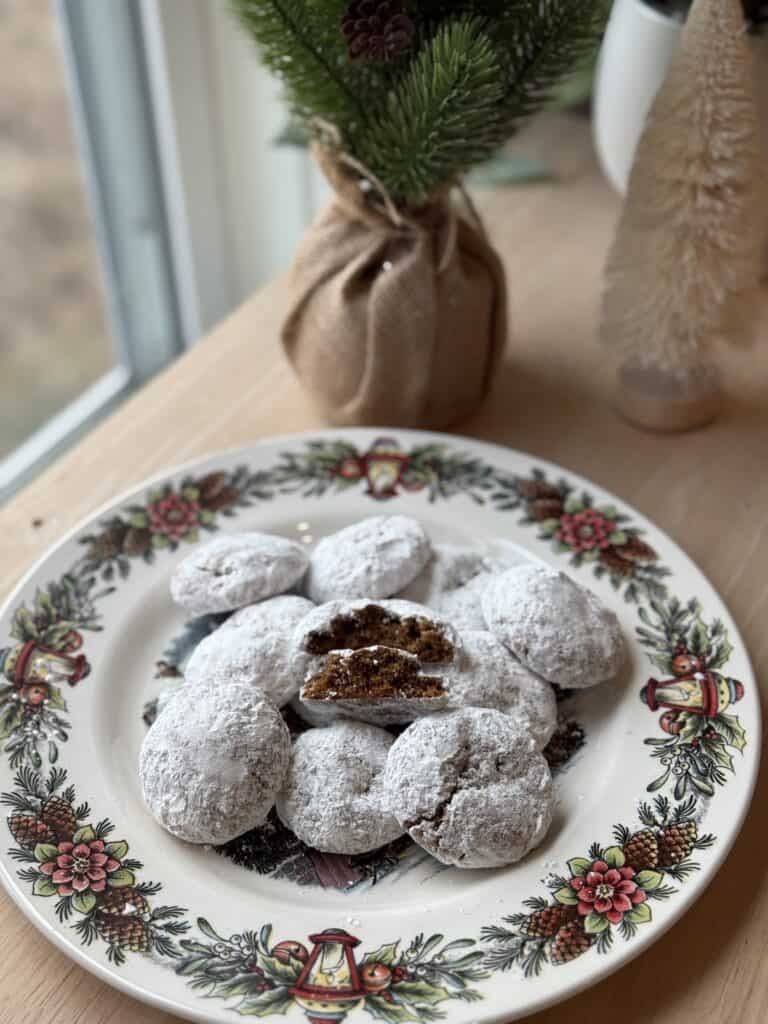
What Makes This Recipe Great
Authentic flavor profile.
The blend of warming spices like cinnamon, cloves, nutmeg, and a hint of pepper creates an enticing complexity that’s both comforting and pleasantly surprising. It’s the kind of cookie that reminds you of holiday traditions and cozy family moments.
Fresh milled flour advantage.
Using freshly milled flour not only adds a rustic texture but also enhances the nutty, wholesome taste of these cookies. It gives them a subtle lift you just don’t get with pre-packaged flour—if you haven’t tried baking with fresh milled flour, this recipe is a fantastic way to start.
Perfectly bite-sized and chewy.
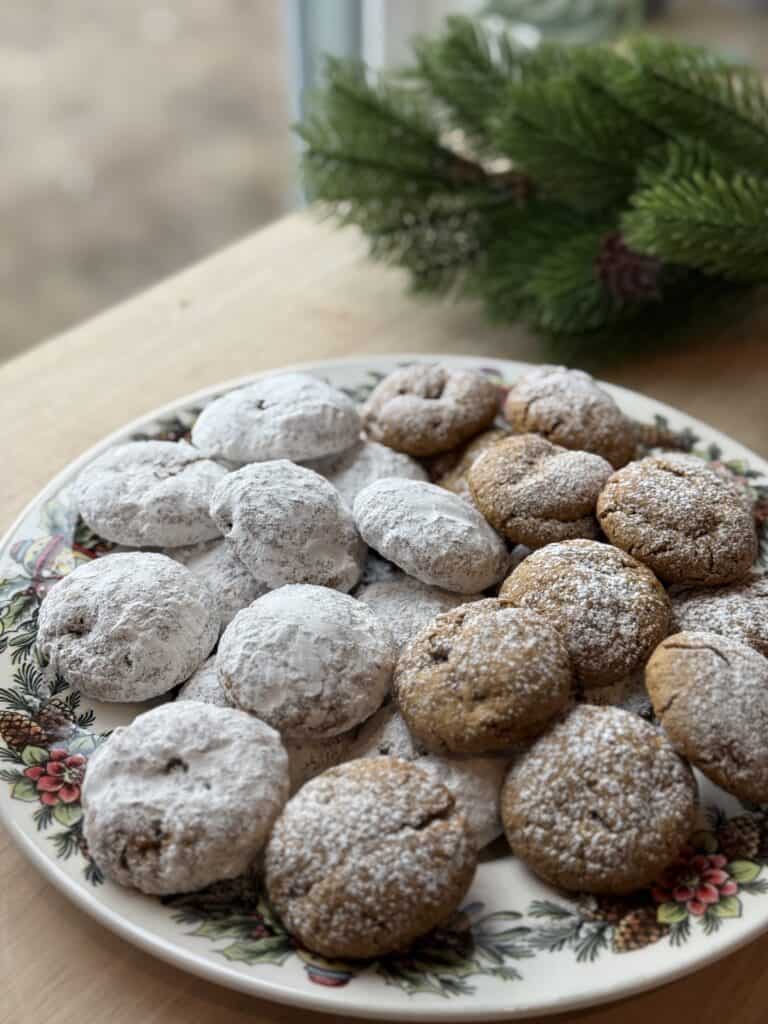
These cookies strike the right balance between a chewy center and a slightly crisp exterior. Their small size makes them perfect for enjoying as little bursts of spicy sweetness, whether with a cup of tea or as a festive party snack.
For more fresh milled holiday desserts, try these Double Chocolate Peppermint Cookies or these Gingerbread Oatmeal Cream Pies!
Overview of Ingredients
Fresh Milled Flour
Using freshly milled flour is like giving your recipe a fresh breath of life—it’s richer and more flavorful than store-bought versions. If you don’t have a grain mill, you could substitute it with whole wheat pastry flour or a blend of half all-purpose and half whole wheat flour for a similar rustic texture.
Spices (cinnamon, cloves, nutmeg, pepper)
The spices are the soul of Pfeffernusse cookies, contributing warmth and subtle heat. They provide a great contrast with the dark molasses and anise flavor, creating the perfect sweet, slightly spicy cookie. If you’re hesitant about the ground pepper, feel free to reduce it slightly; it adds a unique kick but won’t overpower the other spices.
Molasses and Honey
These sweeteners add a deep, rich flavor and a bit of chewiness to the cookies. If molasses isn’t your favorite, you can swap it for dark brown sugar, but the flavor profile will be a bit lighter.
Eggs and Butter
Eggs bind everything together and tenderize the dough, while butter provides richness and a slightly crisp edge. If you need a dairy-free option, use margarine or a plant-based butter substitute, and for eggs, a flaxseed or chia egg can work in a pinch.
Baking Soda
This leavening agent give the cookies a nice lift and airy texture without becoming cakey. Make sure your baking soda is fresh for the best rise.
Tips for Success
#1 Mix spices thoroughly
To ensure an evenly spiced dough, sift your dry spices together with the flour before combining with wet ingredients. This little extra step helps distribute those brilliant flavors throughout every bite.
#2 Chill the dough well
Pfeffernusse dough can be a little sticky at first, so chilling it for at least 2 hours makes shaping easier and helps the flavors mature. If you forget, just try working with floured hands to keep things manageable.
#3 Use parchment paper for baking
These cookies can stick just a tad, so baking on parchment or a silicone mat is a game-changer. Plus, cleanup is a breeze—that’s a win in any baker’s book.
#4 Roll dough evenly
Keeping your dough balls roughly the same size ensures even baking, so none end up too crunchy or underdone. You want a dough ball that has about a 1 inch diameter. A small cookie scoop can be a handy tool here.
#5 Let the cookies rest
Pfeffernusse traditionally improve with age, so if you can, store them in an airtight container for a day or two before serving. The spices have time to meld and the texture becomes extra tender.
Helpful Tools & Supplies
Whether you’re just dipping your toes into the world of fresh milled flour or you’re a seasoned home baker, I’ve taken the guesswork out of what you truly need. All of these tools and resources are available in my shop, designed to help your journey be smooth and nourishing:
Grain Mills
- NutriMill Classic Grain Mill – My go-to for fine, consistent milling; perfect for sandwich breads and everyday baking.
- NutriMill Harvest Grain Mill – Stone-ground elegance: this model delivers whole-grain flavor with a beautiful appearance.
Mixers
- Ankarsrum Mixer – A powerhouse kitchen companion with multiple speeds and attachments—ideal for kneading bread dough effortlessly.
Baking & Bread Tools
- Bread Bow Knife – Artisan-made with a high-carbon steel blade and cherry wood handle—this knife slices loaves with ease.
- Sourdough Essentials Kit With Starter – Complete starter kit that includes dehydrated sourdough starter, banneton baskets, a dough whisk, scoring lame, and more.
Cookbooks & eBook Bundles
- Everyday Whole Grains Vol. 1 & 2 (printed & digital) – Packed with 70+ recipes built around fresh milled flour, from breads to snacks and desserts.
- The Fresh Breads Bundle – A comprehensive set including eBooks like The Perfect Loaf, the Cookie Jar, bulk baking guides, and a sourdough mini‑course—all centered on fresh milled flour.
- Freshly Milled Made Simple Guide – A video-based guide that walks you through milling and baking basics, making the process feel easy and approachable.
Specialty Items
- Dehydrated Sourdough Starter – Just add water and flour to rehydrate this starter—perfect for bakers without an active sourdough culture.
- I Knead Fresh Flour Mug – A charming, handmade 12 oz ceramic mug—great for coffee breaks during dough rising!
Why These Are Worth It
Every tool in this collection has been personally vetted to support you in baking with fresh milled flour. From the grain mills that make your flour, to mixers that knead dough, to resources that teach you every step—it’s all here to make sure your homemade bread journey is joyful, nourishing, and successful.
➡️ Explore all of these items and more in the Generation Acres Farm Shop — your one-stop spot for fresh milled flour baking essentials.
Equipment:
Mixing Bowls
Grain Mill (or substitute flour)
Measuring Cups and Spoons
Baking Sheet
Parchment Paper or Silicone Baking Mat
Rolling Pin or Cookie Scoop
How to Make German Pfeffernusse Cookies with Fresh Milled Flour
Ingredients:
1/4 cup molasses
1/4 cup butter (58 grams)
3 tablespoons honey
1 egg
1 teaspoon anise extract
2 1/2 cups soft white, kamut, or einkorn wheat flour, finely milled (288 grams)
1/3 cup sugar (28 grams)
1/4 cup maple sugar, or brown sugar (30 grams)
1 teaspoon cinnamon
1 teaspoon baking soda
1 teaspoon ground cardamom
1/2 teaspoon ground allspice
1/2 teaspoon nutmeg
1/2 teaspoon ground cloves
1/2 teaspoon black pepper
1/4 teaspoon ground ginger
1/4 teaspoon salt
1/4 cup powdered sugar for dusting
Directions:
- In a small saucepan, melt butter, honey and molasses over medium heat until the butter is melted. Then set aside to cool.
- Meanwhile combine all dry ingredients in a medium bowl.
- Once the butter mixture has cooled, add the egg and star anise to the saucepan.
- Slowly add the flour mixture into the dry ingredients and mix until well combined and no clumps remain.
- Cover with a piece of plastic wrap and refrigerate for 2-3 hours to allow the dough to chill and the flavors to meld.
- Preheat oven to 325* F.
- On a parchment lined cookie sheet, place 1″ dough balls.
- Bake for 8-10 minutes until just done on the edges, don’t over bake!
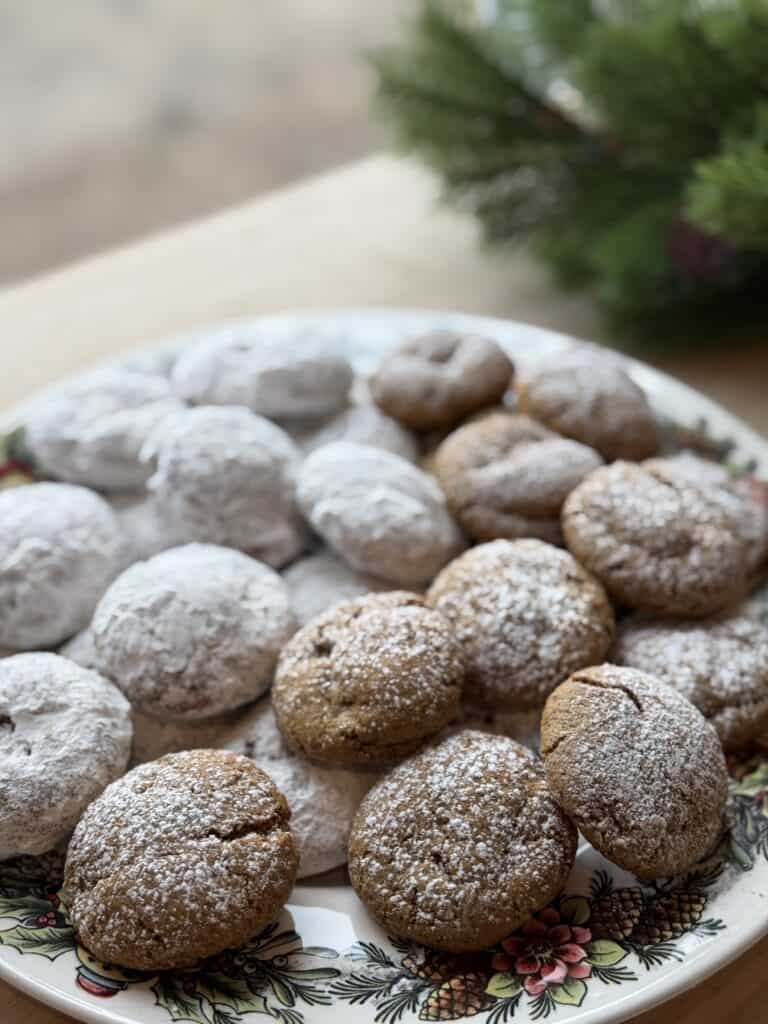
- Cool on a wire rack, then dust with powdered sugar.
Recipe Variations
Gluten-Free Version:
Swap fresh milled flour for a gluten-free baking blend designed for cookies, and adjust liquid slightly since gluten-free flours absorb differently.
Nutty Additions:
Fold in chopped walnuts or pecans for added crunch and nutty undertones.
Citrus Zest:
Mix in a little orange or lemon zest to brighten the deep spices and add a fresh dimension.
Honey Drizzle:
Instead of the powdered sugar, try drizzling warm honey over the cookies after baking to enhance their natural sweetness.
Troubleshooting Common Problems with this Recipe
Cookies Spread Too Much
Make sure your dough is well chilled before shaping and baking; warm dough tends to spread. Also, check that you’re measuring flour correctly—too little flour can cause spreading.
Dry or Crumbly Texture
If the cookies turn out dry, try reducing baking time just slightly or adding a touch more honey or molasses for moisture. Fresh milled flour can absorb more liquid, so be sure your dough feels soft but manageable.
Sticky Dough Difficult to Handle
Chilling is your friend here—pop the dough in the fridge for 2-3 hours. Dusting your hands with flour can also help when rolling the dough into balls.
Spice Flavor Too Mild
If the flavor feels muted, increase the amount of spices slightly or let the dough rest overnight to deepen the taste before baking.
Freezing & Storing Leftovers
Freezing:
Pfeffernusse cookies freeze beautifully. After baking and cooling completely, place them in an airtight container or freezer bag, separating layers with parchment paper. Freeze for up to 3 months and thaw at room temperature when ready to enjoy.
Storing:
Store cookies in an airtight container at room temperature for up to one week. Their flavor actually improves on day two or three, so give it a little patience before diving in.
Extra FAQs
Can I use all-purpose flour instead of fresh milled flour?
Yes, you can substitute all-purpose flour, but the texture and flavor won’t be quite as rich or rustic. Fresh milled flour adds a wonderful depth that’s worth trying if you can.
How long do Pfeffernusse typically stay fresh?
Stored properly, these cookies keep well for about one week at room temperature, and their spice flavors even intensify after a day or two.
Can I make Pfeffernusse without molasses?
You can use dark brown sugar as a substitute, but molasses adds a distinctive depth and slight bitterness that makes the cookie special.

German Pfeffernusse Cookies with Fresh Milled Flour
Ingredients
- 1/4 cup molasses
- 1/4 cup butter 58 grams
- 3 tablespoons honey
- 1 egg
- 1 teaspoon anise extract
- 2 1/2 cups soft white kamut, or einkorn wheat flour, finely milled (288 grams)
- 1/3 cup sugar 28 grams
- 1/4 cup maple sugar or brown sugar (30 grams)
- 1 teaspoon cinnamon
- 1 teaspoon baking soda
- 1 teaspoon ground cardamom
- 1/2 teaspoon ground allspice
- 1/2 teaspoon nutmeg
- 1/2 teaspoon ground cloves
- 1/2 teaspoon black pepper
- 1/4 teaspoon ground ginger
- 1/4 teaspoon salt
- 1/4 cup powdered sugar for dusting
Instructions
- In a small saucepan, melt butter, honey and molasses over medium heat until the butter is melted. Then set aside to cool.
- Meanwhile combine all dry ingredients in a medium bowl.
- Once the butter mixture has cooled, add the egg and star anise to the saucepan.
- Slowly add the flour mixture into the dry ingredients and mix until well combined and no clumps remain.
- Cover with a piece of plastic wrap and refrigerate for 2-3 hours to allow the dough to chill and the flavors to meld.
- Preheat oven to 325* F.
- On a parchment lined cookie sheet, place 1″ dough balls.
- Bake for 8-10 minutes until just done on the edges, don’t over bake!
- Cool on a wire rack, then dust with powdered sugar.